Charge your EV smarter, for less
Cheaper charging from 9pm to 7am and price certainty for two years*^
*T&Cs and eligibility criteria apply.
^Cheaper charging is calculated comparing the night vs day rates on Meridian’s EV plan. Savings vary by network.
Our expert team are happy to help you. Give us a call on 0800 496 496 or send us an email at hello@meridianenergy.co.nz with the subject line “EV Plan Quote Request” to receive your no-obligation quote.
You’ll find everything you need to know about electric vehicles from what they cost to run, the difference between electric and hybrids and dealing with range anxiety. We’re here to help you with everything you need to get EV ready.
It’s no secret that we’re excited about electric vehicles – so excited that we’re building one of the country’s largest EV charging networks!
How much does it cost to buy an EV? And how much does it cost to charge?
Wondering what the difference is between hybrid and fully electric cars? We’ve listed the pros and cons for both.
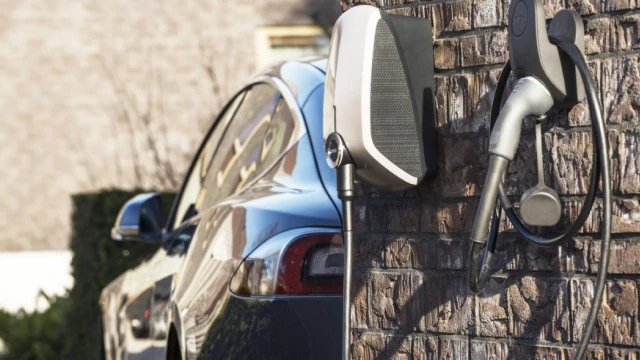
Unlike petrol stations, chargers for your EV aren’t quite so common. Don't worry though, you’ve got options.
Nervous about being out of range of a charger and losing juice while out on the road?
Electric cars are all well and good, until you remember you’re not a townie and your nearest charging station is an hour’s drive away. Right? Well... not quite.
There are heaps of benefits to driving an electric vehicle. We’ve narrowed it down to the top six reasons to go electric.
Rates differ depending on your region. To view our rates in your area, chat with us via our website, or alternatively fill in the form above and one of our friendly staff will get back to you.
The Electricity Authority says on average it can take 3-4 days to switch electricity providers however, it can take up to two weeks depending on who your provider was. Once you receive your welcome email from us, you’re officially switched over to Meridian.
DC (direct current) chargers are a fast charge, they send the power directly to the car battery without needing to convert it. Typically, you would use a DC charger at places like a petrol station if you were running out of charge and needed a significant top up quickly, these chargers have cables attached to them. Because they use a lot more power, and charge quicker in comparison to an AC charger, they are more expensive to use.
AC chargers are designed to be a ‘destination charger’, to use these you’ll need your own cable. An example of destination charger locations are places like the movies, malls, arenas etc. If you’re spending more than an hour visiting, an AC charger would be perfect for you. Relax at the movies while your car tops up or top up while you watch the kids play soccer – charging can now work in around you.