Washing machines and dryers are in use most days across the country. Washing is something we can't avoid (we need to get it done), so it's not a matter of whether you use the washing machine or not, but how you use it to be more efficient. The dryer, while not universal in New Zealand, is still very popular. It's a high-powered appliance that's often used when other options could be used instead. Between the dryer and the washing machine (either hot water washes or clothes dryer warmth through the dryer and extraction of moisture), your laundry is responsible for plenty of your daily energy use. Making changes to these habits can mount up and translate into hundreds of dollars of savings, especially if you're doing multiple loads each week. If you've got a large household with plenty of laundry, the savings can be even more substantial.
Take Charge - Saving Power In The Laundry
The laundry is responsible for a lot of our daily energy usage
Peak vs. Off peak usage of laundry appliances
Understanding peak and off-peak times
Before getting into specific appliance usage, it's worth noting that one of the easiest ways to get noticeable power savings is by pushing your laundry usage to off-peak times, if you're on a plan that offers cheaper off-peak pricing. Off-peak refers to those periods when the national grid is under a lower load, and therefore the cost to generate power is lower. That lower generation cost only shows up in your savings if your plan passes it on through off-peak pricing, so it's worth checking your plan first. If you are on a plan like that, keeping non-standard laundry habits (running loads outside of typical morning and evening times) can quickly save on power without really feeling like you're changing much at all.
Calculate your potential savings
If you're on a plan that offers peak and off-peak pricing, the cost difference between peak and off-peak will vary depending on a number of circumstances, including your power company, your lines company, where you live, and so on. Make sure you find out what this difference is, and it'll be easier to calculate what you stand to save by moving to off-peak usage entirely, or even partially.
Washing Wattage - Is your Washing Machine Working Smarter?
Optimising your settings
Washing machines on their default settings often aren't set up for the most energy efficient run. You can control things like the cycle length of your washing machine and the temperature of the water that it runs. The cycle length can be reduced down (often for everyday loads that aren't particularly dirty), a shorter length, say 40 to 50 minutes, can actually get the job done. Combined with a good spin cycle, you can really get a lot of the moisture out.
Temperature control
The temperature can be reduced or increased depending on your needs, but most clothing can be put through on a cold cycle. Cold washes don't cost anything as far as warm water goes (it's simply just the power of operating the washing machine). So that's a great way to save on washing, by doing cold washes. Of course, always check the labels on your clothes in case they have special care requirements and need a warm wash or even a delicate wash. You always want to make sure you're running the optimal cycle within reason.
Energy efficiency ratings
Also, look at the energy efficiency of the model that you have. Some models have better star ratings than others. This talks to how efficient they are in their use of a certain amount of water and power over time. Ones with higher, better star ratings will give you a more efficient operation. Often modern models, especially those that you'll buy new, have good efficiency settings that you can make use of. Front-loading washing machines are generally more water and energy-efficient than top-loaders.
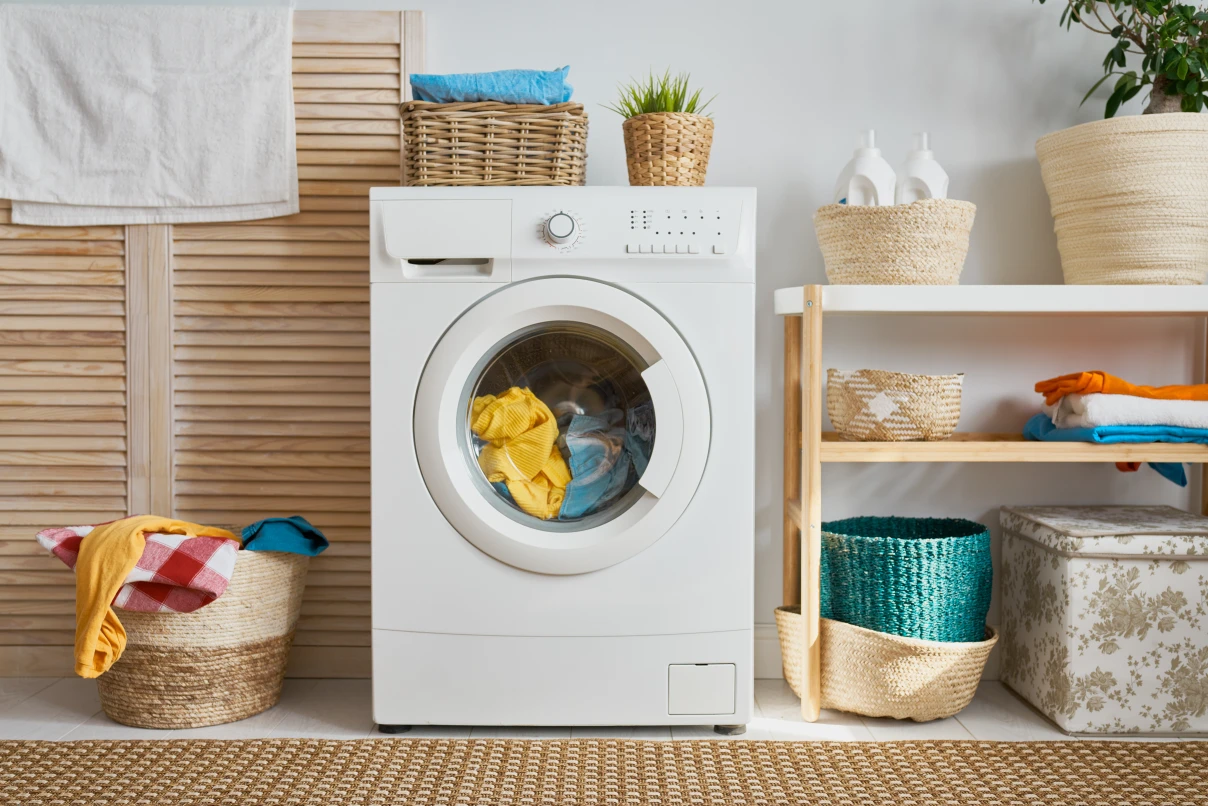
Cold vs. Hot Water Washing Machine Loads
Make cold water your default
Use cold water as your default setting and use hot water only for clothes that require it. Make sure you're not using warm water as a default, because each time it needs to warm up, it's drawing from your hot water cylinder, which demands power. Your hot water cylinder is one of the biggest users of power in your home, so switching to cold is a really good way to fix this area of power usage.
Combine cold washing with off-peak
If you're on a plan with off-peak pricing, combining cold washes with off-peak timing could see a pretty significant dip in your washing power usage. Cold washing alone can save roughly 80% of the energy used for a warm wash, making it one of the most effective changes you can make.
Delay start mode to push washing into off-peak period
Use your machine's smart features
Some washing machines have delayed start functions, so you can actually time when it needs to turn on. This is especially useful if you're setting it in the morning before you go to work. You can select delayed start, and then you can dial it in until it gets into off-peak, sort of weekday midday times. That will mean it's running during an off-peak period, which will only work out cheaper if your plan actually charges less at that time.
Set it and forget it
Likewise, if you want to set it on before you head out for the night or go to bed, you can set it to start a bit later in the evening, again to click into when those off-peak windows are in effect. This simple feature can help you take advantage of cheaper power rates without having to think about it or change your routine significantly, provided your plan offers off-peak pricing.
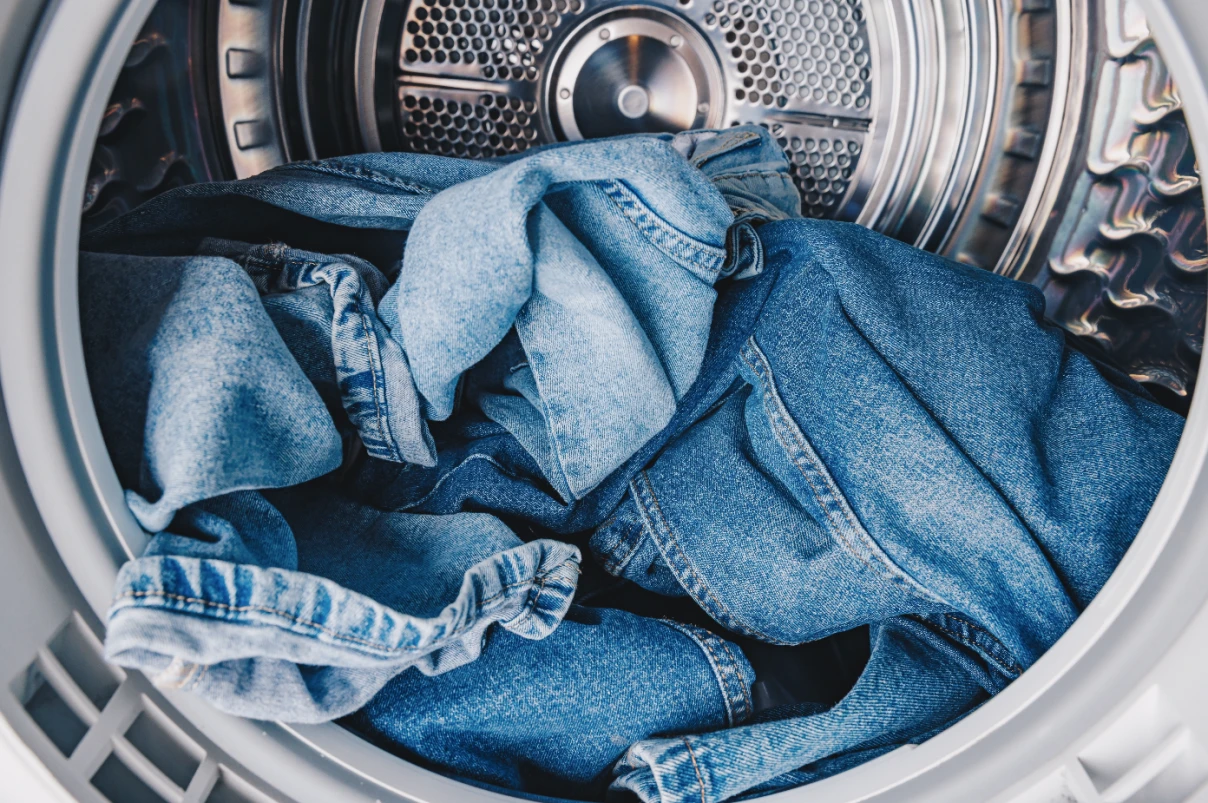
Dryer Daily Duty - Is the convenience always worth it?
When dryers make sense
Dryers are fantastic and really come in handy. They'll often, at a pinch, get your clothes dry quickly and are great in wintertime. But often households will be using a dryer daily on their loads, even during summer or on sunny days, when clothes can actually dry very quickly outside. There's simply not a need to have a machine do the drying for you in these conditions.
The cost of convenience
Yes, it's convenient (usually right next to the washing machine, so you can move clothes straight from the washing machine to the dryer), but they are quite demanding in terms of drawing power. A vented clothes dryer's typical power draw could be 2.5 kilowatts (2,500 watts) and will often run for an hour or more. You can quickly get up into usage of 3 to 4 kilowatt-hours, and if using it daily, this is well over 1,000 kilowatt-hours of power over a year. You can imagine that even just cutting that in half is going to equate to good savings. Line drying instead of a vented dryer can save over 1,000 kWh per year, around $300 in power depending on your rates.
Shorter Dryer Cycles
Choose the right cycle length
Sometimes you just do have to use the dryer, and that's okay, but there are shorter and longer cycles that you can use. A shorter cycle essentially will cut down the power usage of the dryer, and that is really valuable to save money when you just have to use a dryer. Maybe you don't need to run it for hours and hours.
Modern dryer features
Some modern dryers will have detection of the moisture content in the clothes and can turn off once they've reached the level of dryness that you've set, which is quite a handy feature as well. This prevents over-drying and wasting power on clothes that are already dry.
Pre dry with spin cycle
Get the most from your washing machine
Good modern washing machines will have a decent spin cycle that will run at the end of the process, which will get rid of a lot of excess moisture. The better that spin cycle is, the less heavy lifting your dryer needs to do, or indeed how long your clothes need to be outside on the rack or the line for.
Reduce drying time
Having a good spin cycle in your washing machine could be a great way to reduce the drying effort required, whether you're using a dryer or hanging clothes outside. Clothes that come out of the washer with less water in them will dry faster and use less energy, whichever method you choose.
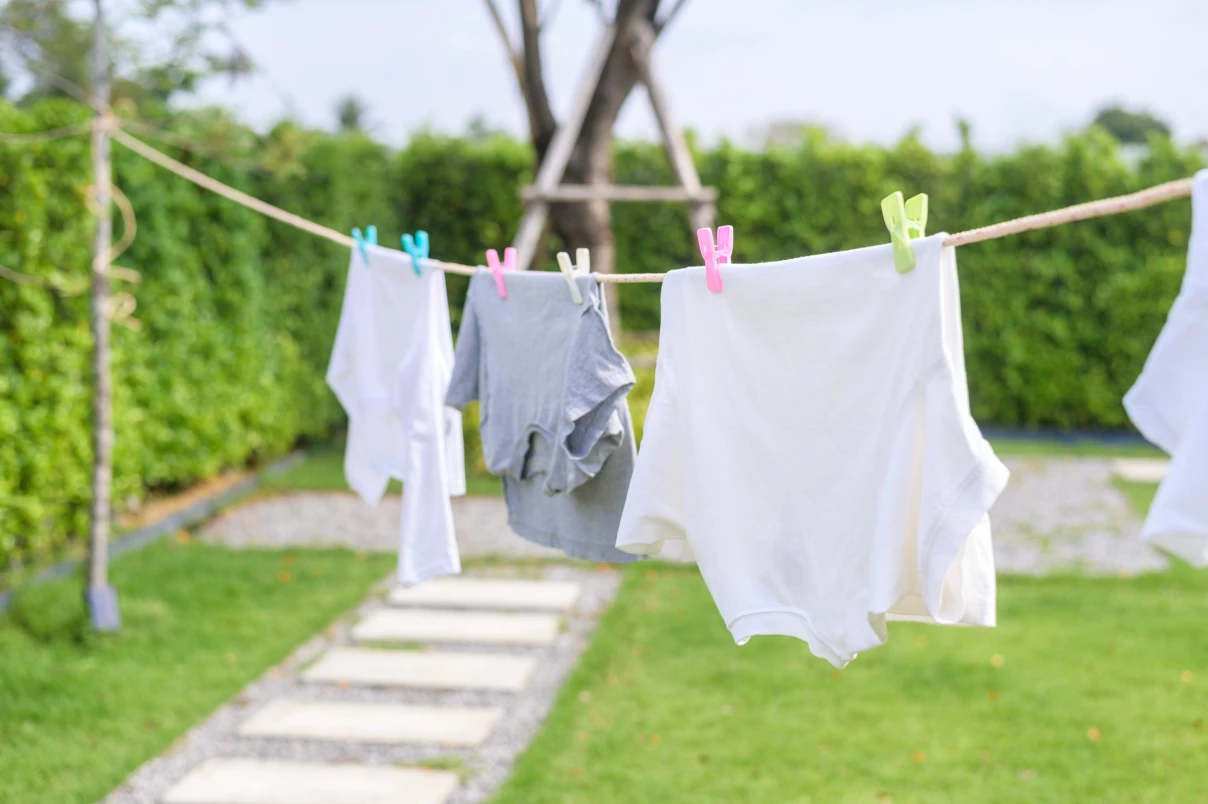
Hanging better for clothes
Preserve your clothing
Yes, a dryer is not only a power-hungry thing to use for drying clothes, but it's not necessarily as good for them. You can obviously shrink clothes through that quick drying process, especially lower-quality clothes or delicates. Dryers can wear out clothes, which can end up requiring you to replace them, which is expensive.
The benefits of hanging
Hanging clothes doesn't get them all twisted and pull up buttons or catch on things. You can actually hang the garment out neatly in a flat, smooth fashion that will allow them to be dried evenly and separated from one another. There are also some benefits for keeping the shape of the garment by hanging it outside carefully. Your clothes will last longer and look better when you line dry them.
Dehumidifier data
The added cost of indoor drying
The other problem with drying inside is that you often end up having to run a dehumidifier, which is another appliance that draws power. The dehumidifier itself, if you're using it constantly, can be anywhere from 500 to 700 watts, and they will often run for 4 to 6 hours at a time.
Annual costs add up
Added up over the year, you'd be well in excess of, say, 700 kilowatt-hours, and in some cases 1,500 kilowatt-hours and beyond, depending on the size and usage. So just be careful with drying clothes inside and the moisture problems that creates. Using a dehumidifier to assist drying indoors can add significant cost if run daily (occasional or timed use is far more efficient).
Take it outside - the benefits of hanging clothes in the sun (beyond savings)
Free power from the sun
It's not just about saving power, because yes, the cost is free when you hang them outside (just a bit of time moving them out there or putting them on the line). The other benefit is that you're getting the benefit of the sun and natural sunlight.
Nature's sanitiser
UV rays are known for killing bacteria, leaving clothes not only drying naturally in the wind and sun but also killing bacteria, which leaves your clothes smelling fresher and cleaner. Drying outside in sunlight costs nothing and helps sterilise clothing naturally due to UV exposure. Mother nature is still the proven champion of drying clothes. Outdoor drying gives your clothes a fresh, natural scent that you simply can't replicate with a dryer.
The stats on outdoor drying
A Canstar Blue survey showed that 75% of New Zealanders have a clothesline, yet 20% of those admit to using a dryer even when it was sunny outside. There's huge potential for savings if more Kiwis took advantage of our good weather.
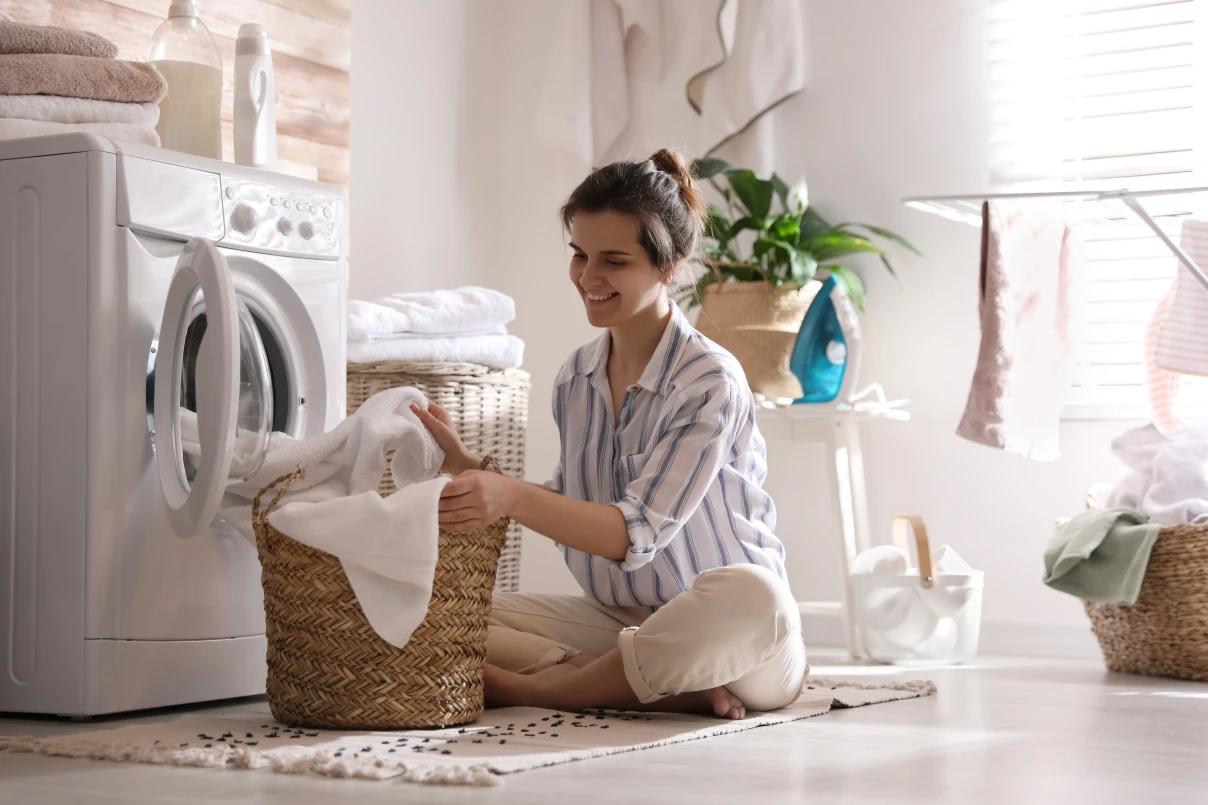
Laundry Energy Estimates
(at $0.39 per kWh)
These figures are indicative averages, not a bill guarantee. The rate used is the current New Zealand national average residential price (MBIE Quarterly Survey of Domestic Electricity Prices, February 2026); your own rate will depend on your retailer, plan and region.
Here’s a breakdown of typical laundry and drying appliances:
|
Appliance |
Typical power draw (kW) |
Average time per use |
Energy per cycle (kWh) |
Annual use (365 days) |
Annual energy (kWh) |
Estimated annual cost ($NZD) |
|
Washing machine (warm wash) |
1.2 kW |
1 hr |
1.2 kWh |
365 uses |
438 kWh |
$170.82 |
|
Washing machine (cold wash) |
0.2 kW |
1 hr |
0.2 kWh |
365 uses |
73 kWh |
$28.47 |
|
Clothes dryer (vented) |
2.5 kW |
1.2 hr |
3 kWh |
365 uses |
1,095 kWh |
$427.05 |
|
Clothes dryer (heat pump type) |
1 kW |
1.5 hr |
1.5 kWh |
365 uses |
548 kWh |
$213.72 |
|
Dehumidifier (small-medium) |
0.5 kW |
4 hr |
2 kWh |
365 uses |
730 kWh |
$284.70 |
|
Dehumidifier (large/whole-room) |
0.7 kW |
6 hr |
4.2 kWh |
365 uses |
1,533 kWh |
$597.87 |
Total annual laundry energy and cost
If we apply this to a few usage scenarios, the savings start to look pretty compelling:
|
Scenario |
Annual kWh |
Annual Cost ($NZD) |
|
Cold wash + heat pump dryer + small dehumidifier |
~1,351 kWh |
$527 / yr |
|
Warm wash + vented dryer + large dehumidifier |
~3,066 kWh |
$1,196 / yr |
Key efficiency insights in the laundry
-
Cold washing saves roughly 80 % of the energy used for a warm wash.
-
Line drying instead of a vented dryer can save over 1,000 kWh per year, worth around $390 in power depending on your rates.
-
Heat pump dryers use 40 to 60% less energy than conventional vented dryers.
-
Using a dehumidifier to assist drying indoors can add significant cost if run daily; occasional or timed use is far more efficient.
-
Drying outside in sunlight costs nothing and helps sterilise clothing naturally due to UV exposure.
Work in one new habit at a time
Take it slowly
It's not reasonable to expect the household to immediately change all the ways of doing things. It's also worth trying to change one thing at a time so you can monitor the power usage and saving impact. The more knowledge you've got around your current power habits and how they impact your bill, the better.
Knowledge is power
Try implementing one change, like switching to cold washes or line drying on sunny days, and monitor your power bill over the next month or two. Once you've seen the impact and the habit has become routine, you can add another energy-saving practice. This gradual approach makes the changes sustainable and helps you understand exactly where your savings are coming from.
Are you on the right power plan for your laundry routine?
Different plans for different needs
Not all plans are created equal. Some favour off-peak usage, which can be perfect if you're able to run your washing machine and dryer during cheaper rate periods. Ideally, you want to be on the plan that suits your lifestyle and the goals that you have for power saving.
Get the right plan with Meridian Energy
Make sure that your current power plan does that. If not, chat to us at Meridian Energy, because we have a range of power plans to suit different usage patterns. Get in touch with us if you're not too sure on what your options are, or check out our website to compare plans and find the one that works best for your laundry routine and overall household energy use.
Other useful resources on managing your washing
For more information on energy-efficient laundry practices, check out these helpful resources: