In this guide you’ll learn about the energy used in a typical Kiwi home’s kitchen area, including appliances and habits that can influence what your monthly power bill looks like. We provide a range of insights and tips that don’t require a massive lifestyle change.
Take Charge - Saving Power In The Kitchen
The kitchen uses power 24/7
At no point in the year is your kitchen not drawing power in some way. Even when appliances aren't being actively used, your fridge and freezer are continuously running, working around the clock to keep your food fresh and safe. They fluctuate in their power usage depending on factors like how often you open the doors, the ambient temperature, and how full they are.
Between the fridge running constantly, appliances on standby mode, and the frequent use of cooking appliances, the kitchen is one of the most energy-intensive areas of your home. Understanding where this power goes and how to manage it effectively is worth your attention (small changes in the kitchen can make a noticeable difference to your monthly power bill).
Fridge temperature
Finding the right temperature
Your fridge temperature should be somewhere in the range of 2 to 5°C (check your fridge manual for the best setting for your particular model). Freezers should generally be between -15°C and -18°C. Getting this right is more important than many people realise.
Why temperature matters
Fridge temperature affects not only power draw but also how well your food is preserved. Set it too warm and food can spoil quicker, leading to waste and potential food safety issues. Set it too cold and it uses too much power unnecessarily and can start to freeze liquids, sauces, and delicate items like lettuce. The sweet spot is dialling in your temperature so it does the job properly without overusing power. If you're not sure where your fridge is currently set, it's worth checking with a fridge thermometer. It may take a bit of trial and error to find the perfect setting, but once you do, you'll have peace of mind that your food is safe and you're not wasting energy.
Fridge gaps and airflow
Why airflow matters
It's important to have adequate airflow beside your fridge, in the cavity where it sits, and behind as well. This isn't just a nice-to-have (it's essential for efficient operation). The airflow ensures that any heat generated from the refrigeration process can escape properly, preventing your fridge from overheating and having to work harder to maintain temperature. When a fridge can't breathe properly, it runs longer cycles and uses more power to achieve the same cooling effect.
How much space do you need?
The gaps you need will depend on the type of fridge you've got and the space available, but ideally you want at least a few inches (5-10cm) behind, above, and beside your fridge. This spacing also makes cleaning easier, helps prevent dust buildup on the coils, and provides access for maintenance or repairs. As a bonus, a good gap also helps you open the fridge door all the way without it hitting the wall or cabinets, making it easier to access everything inside.
Keeping fridge seals maintained
The paper test
Here's a simple test: if you can fit a piece of paper between the door and the frame and pull it out easily, this is often a sign that the fridge seal is broken or needs to be replaced. As fridge seals wear over time (from constant opening and closing, food spills, or general ageing), they start to let out more cold air from inside your fridge and freezer. This means your fridge has to run more frequently to compensate for the escaping cold air.
Maintaining your seals
Make sure your seals are in good condition. A properly functioning seal should grip that piece of paper firmly enough that you feel resistance when pulling it out. This keeps the cold air in where it belongs and ensures the seal is doing its job properly. Cleaning your seals regularly with warm soapy water can help extend their life, and replacing worn seals is usually a straightforward and relatively inexpensive fix that can save you money in the long run. Poor seals can lead to the fridge working significantly harder to maintain temperature, which steadily uses more power and costs you more on every bill.
Oven times and temperatures for cooking - savings by following the recipe
The benefits of following recipes
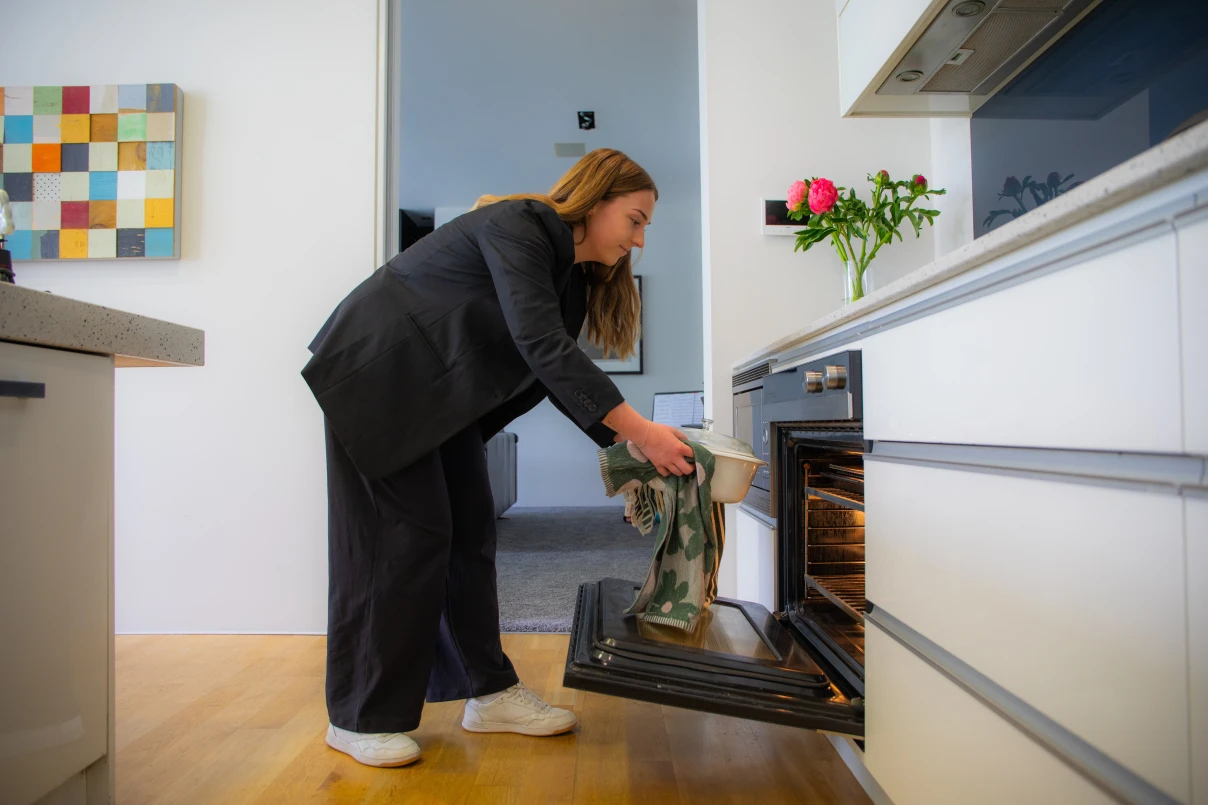
We often set the oven on and eyeball our cooking, doing a bit of trial and error without really following a recipe's recommended time and temperature. While this approach might feel more intuitive or flexible, it can end up with the oven running longer and at higher temperatures than actually required to cook the food properly. This not only risks overcooking or drying out your meal, but it also means you're using more power than necessary. Following recipes isn't just about getting better results on the plate (it also keeps your power usage, and therefore your power bill, in check). Recipe developers have typically tested their instructions to find the optimal cooking conditions, so you can trust those numbers.
Modern ovens are powerful
A lot of modern ovens are pretty powerful and efficient, so fan-bake at the temperature recommended will typically get the job done well without needing to crank it higher "just to be safe." Remember that ovens, like fridges, have seals around the gasket where the door closes. Make sure these are in good condition for both safety reasons (to prevent burns from escaping heat) and power efficiency. Damaged seals let heat escape, forcing your oven to work harder and use more energy to maintain the cooking temperature.
Preheating the oven too long
A common mistake
This is a common habit that wastes a surprising amount of power: people set the oven on to preheat and then get distracted with other meal prep tasks, not getting back to it until long after it's reached temperature. Your oven might sit there at 180°C for 20 or 30 minutes doing absolutely nothing but consuming power. This is a great way to waste power for nothing (that preheating power is going nowhere useful, just heating your kitchen and padding your power bill).
Set a timer
While preheating is necessary for many recipes (especially baking), you don't want your oven sitting idle at temperature for half an hour before you actually put food in. The solution is simple: set an alarm or timer to tell you when the oven should be up to temperature. Lots of modern ovens have a built-in alert sound that beeps when they've reached the set temperature, which is incredibly helpful. But if your oven doesn't have this feature, use your phone timer as a reminder. After a few days of trial and error, you can dial in fairly accurately how long your particular oven takes to reach different temperatures (typically 10-15 minutes for most ovens). This small habit change can save you a meaningful amount on your annual power costs while also keeping your kitchen cooler.
Stovetop Savings
Understanding stovetop power use
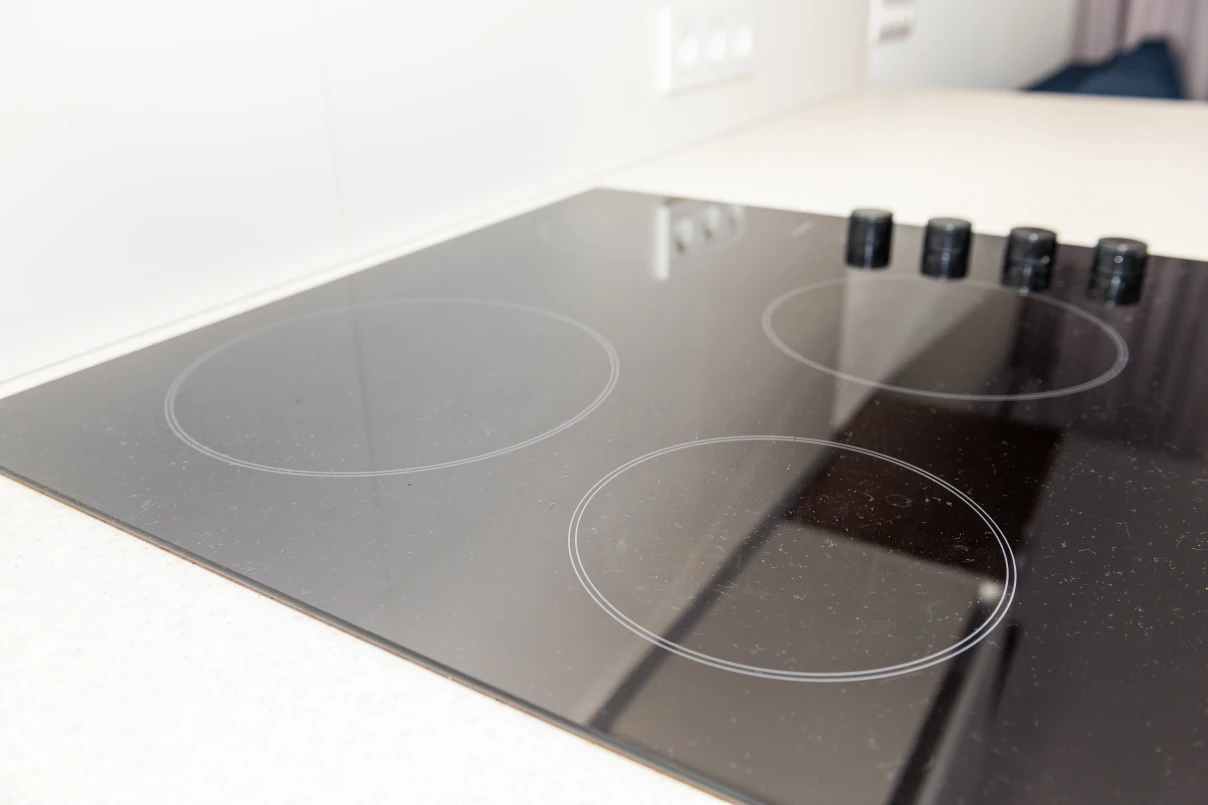
Stovetops also draw quite a lot of power (typically around 2,000 watts or 2 kilowatts per element when on high), and they're often used throughout the entire duration of meal preparation, sometimes for an hour or more. This makes them one of the bigger power users in your cooking routine.
Avoid wasting energy on steam
One common mistake is leaving pots of water that have already come to the boil continuing to boil vigorously without actually using them to cook anything. That rolling boil looks impressive, but it's just power literally going up in steam (you're heating water that's already hot enough). Make sure you don't leave elements on the entire time when not actively cooking. Turn them down or off between tasks.
Use the right heat level
Similarly, if a recipe calls for simmering rather than boiling, make sure you actually turn the temperature down as instructed. A gentle simmer uses significantly less power than a full boil, and in most cases (like making a pasta sauce or braising meat), it's also the better cooking technique. Using lids on your pots and pans also makes a big difference (they trap heat and moisture, meaning your food cooks faster and you can often use a lower heat setting). By following the recipe and using the right heat levels, you can save power while also enjoying a better meal at the end of it.
Reducing kettle costs - fill what you need
Kettles use more power than you think
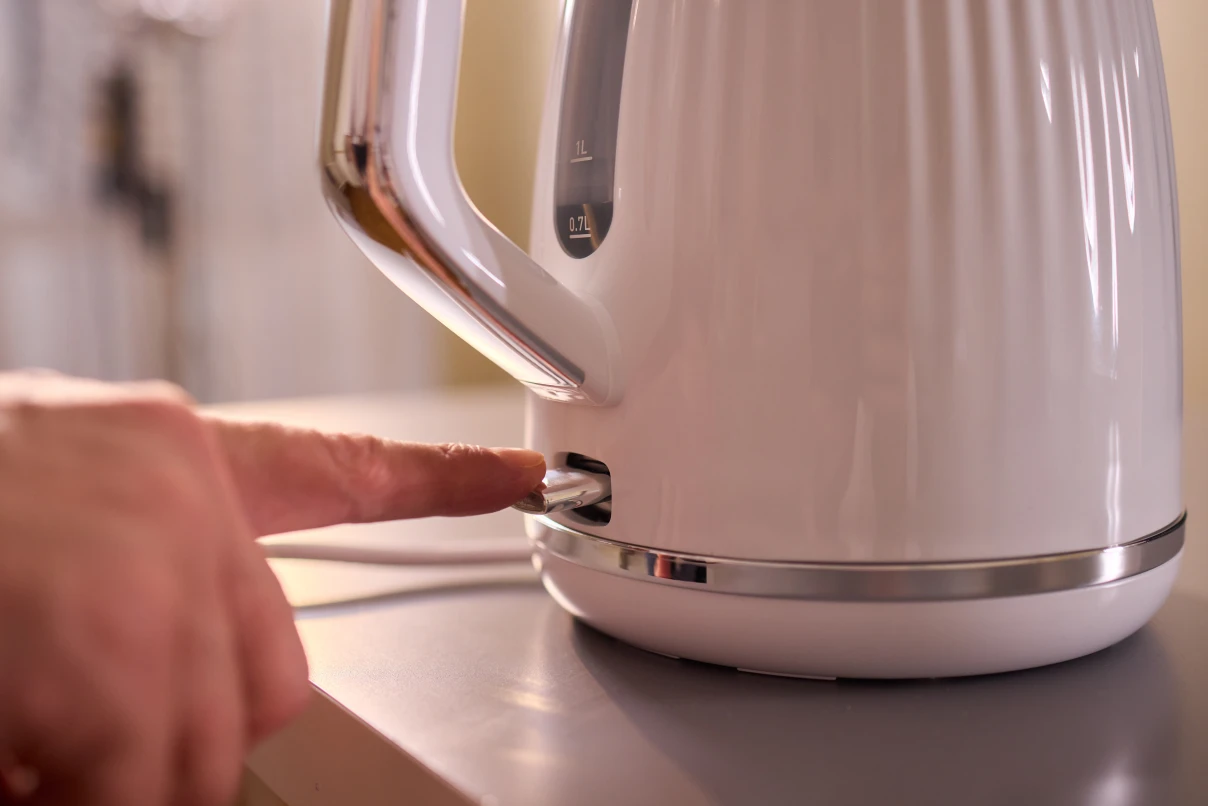
Kettles may seem small and harmless, but they're actually quite power-hungry appliances, drawing around 2,000 to 2,500 watts when boiling. While it's true they don't run nearly as long as a stove or oven (usually just a few minutes at a time), they're used multiple times throughout the day in many Kiwi homes, and all those boils add up.
Only boil what you need
Here's a simple habit that makes a real difference: instead of filling your kettle right to the top every time (often just out of habit), fill it only with the amount of water you actually need. Making one cup of tea? Fill it to the one-cup mark. Need water for cooking? Measure what you need first. The power usage is directly correlated with the amount of water you're heating. If you fill your kettle only 20% full instead of 100%, it'll take roughly 80% less time to get up to boiling temperature, which means 80% less power for that boil. Based on one boil a day, this simple change can save you roughly $25 to $30 a year. If your household boils the kettle more than once a day, the saving scales up accordingly. It's one of those effortless efficiency wins that also has the bonus of giving you your hot water faster.
Dishwasher packing tips
Load it properly for best results
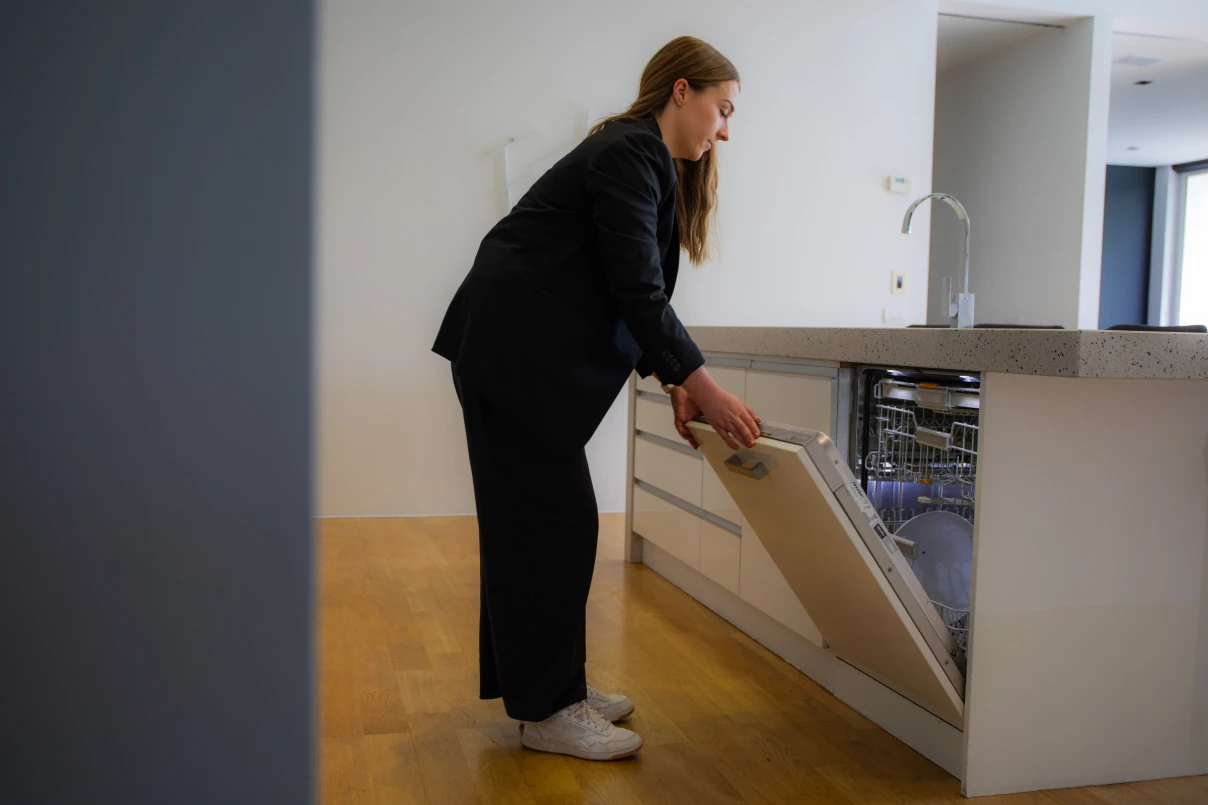
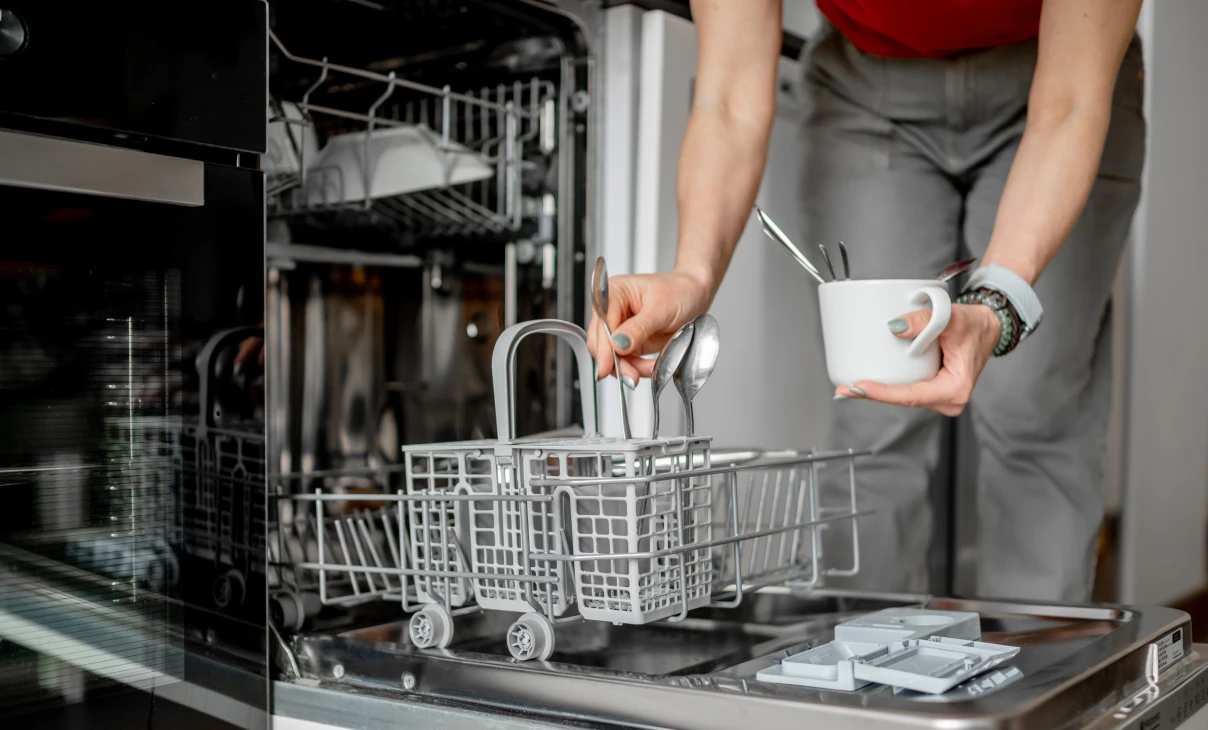
Getting the most out of each dishwasher cycle starts with how you load it. Make sure you run full loads rather than half-empty ones (running your dishwasher twice when once would have done the job doubles your water and energy use for no good reason). Stack dishes carefully and strategically: plates and bowls in their designated racks, cutlery spread out in the basket (not nested together), and glasses placed securely in the upper rack.
One cycle should be enough
Good loading technique ensures that water and detergent can reach every surface, which means every dish gets properly cleaned in one go. This eliminates the need to put items back through for a second wash or resort to hand washing the things that didn't come clean, both of which waste your time and energy. Most dishwashers come with loading diagrams in the manual that show you the optimal way to arrange items (it's worth a quick look if you've never checked). A well-packed dishwasher is an efficient dishwasher.
Use the eco mode on your dishwasher
How eco mode works
Your dishwasher's eco mode is a really effective way to reduce energy consumption without sacrificing cleaning performance. Eco mode works by using slightly cooler water and running a longer, gentler cycle, which sounds counterintuitive but actually uses less power overall. The extended time allows the detergent to work more effectively at lower temperatures, meaning most plates, bowls, and cutlery don't need intense heat to get perfectly clean. The energy savings can be significant (often 20-30% less power per cycle compared to normal or intensive modes).
Find the right mode for you
Check your dishwasher's manual to see what modes are available (they might be labelled as eco, energy-saving, or efficiency mode) and experiment with different settings to see what works best for your typical loads. You might find that eco mode handles your everyday dishes perfectly well, and you only need the heavier-duty cycles for particularly grimy pots and pans. Many modern dishwashers also have a half-load option, which is useful for those times when you really can't wait for a full load, as it adjusts water and energy use accordingly.
Handwashing vs. Dishwasher - what's actually more energy efficient?
The surprising truth
This might surprise you, but dishwashers are usually significantly more efficient than hand washing dishes, both in terms of water and energy use. It's counterintuitive because we see all that water and energy going into the machine, but hand washing is typically quite wasteful by comparison. When you hand wash, you're drawing hot water from your cylinder, which has to work to heat that water, often to quite high temperatures. Then there's the water loss as you're washing (whether you're running the tap continuously or even filling up the sink), you typically use more water than a modern dishwasher would for the same number of dishes.
The numbers don't lie
A dishwasher uses around 13 litres of water per full cycle, whereas hand washing the same load often uses 50-100 litres depending on your method. Dishwashers are also designed to heat only the specific amount of water they need, and they use it very efficiently by spraying and recirculating it. The key to making your dishwasher the clear winner is to run full loads on eco mode and scrape (rather than rinse) your dishes before loading. If you don't have a dishwasher, you can hand wash more efficiently by filling one sink with hot soapy water for washing and another with cooler water for rinsing, rather than running the tap continuously.

Kitchen Energy Estimates
(at $0.39 per kWh)
These figures are indicative averages, not a bill guarantee. The rate used is the current New Zealand national average residential price (MBIE Quarterly Survey of Domestic Electricity Prices, February 2026); your own rate will depend on your retailer, plan and region. The kettle figure assumes one six minute boil a day as a simple baseline, so actual use will be higher in homes that boil more often. The microwave figure reflects a shorter, more typical five minute use such as reheating a meal. The rangehood run time has been aligned with typical cooktop use, since the two are usually on together.
|
Appliance |
Typical power draw (kW) |
Average time per use |
Energy per use (kWh) |
Annual use (365 days) |
Annual energy (kWh) |
Annual cost ($ NZD) |
|
Electric kettle |
2.4 kW |
0.1 hr (6 min) |
0.24 kWh |
365 uses |
88 kWh |
$34.32 |
|
Toaster (2-slice) |
1.0 kW |
0.1 hr (6 min) |
0.10 kWh |
365 uses |
36.5 kWh |
$14.24 |
|
Microwave |
1.2 kW |
0.08 hr (5 min) |
0.10 kWh |
365 uses |
36.5 kWh |
$14.24 |
|
Oven (fan-bake) |
2.5 kW |
1 hr |
2.5 kWh |
365 uses |
913 kWh |
$356.07 |
|
Cooktop (electric ceramic) |
2.0 kW |
0.75 hr |
1.5 kWh |
365 uses |
548 kWh |
$213.72 |
|
Dishwasher (full eco cycle) |
1.5 kW |
1 hr |
1.5 kWh |
365 uses |
548 kWh |
$213.72 |
|
Fridge / freezer (average 400 L) |
0.15 kW (continuous average) |
24 hr |
3.6 kWh per day |
365 days |
1,314 kWh |
$512.46 |
|
Rangehood |
0.25 kW |
0.75 hr (45 min) |
0.19 kWh |
365 uses |
68 kWh |
$26.52 |
|
Benchtop appliances (standby draw) |
0.03 kW |
24 hr |
0.72 kWh per day |
365 days |
263 kWh |
$102.57 |
Total annual kitchen energy and cost
|
Scenario |
Annual kWh |
Annual Cost ($ NZD) |
|
Average NZ home (kettle, toaster, microwave, oven 3× weekly, dishwasher daily, fridge always on) |
~2,300 kWh |
$897 / year |
|
High-use kitchen (cooktop daily, oven daily, multiple appliances on standby) |
~3,000 kWh |
$1,170 / year |
|
Low-use efficient kitchen (cold-water dishwasher eco mode, limited oven use, switch-off standby) |
~1,500 kWh |
$585 / year |
Key efficiency insights
-
Fridge/freezer: runs 24/7 and usually accounts for 15 to 20% of household power. Set to 4°C fridge and minus 18°C freezer for best efficiency.
-
Oven vs microwave: using a microwave instead of an oven for reheating or small meals can cut power use by 60 to 70%.
-
Dishwasher: one full eco load uses about 1.5 kWh (around 59c). Two half-loads instead of one full load doubles energy use.
-
Kettle: only boil the water you need. Doing this can save around $25 to $30 a year.
-
Lighting: switching halogens to LEDs saves 80% of lighting power, roughly $90 per year in the kitchen alone.
-
Standby power: unplugging benchtop appliances saves around 250 kWh, or about $95 per year on average.
Why your plan matters
Your power plan makes a bigger difference to your bill than many people realise, and there's no one-size-fits-all solution. Different plans suit different lifestyles and usage patterns. If you're home during the day and use power fairly evenly throughout, a standard plan might work well. But if you're out at work all day and most of your power use happens in the evening, or if you have flexibility about when you run appliances, you might benefit from exploring other options that better match your usage patterns.
Finding the right plan for you
Understanding how and when you use power is the first step to finding a plan that works for you. Do you use most of your power in the evenings? Are you able to shift some high-energy activities to different times of day? The answers to these questions can help determine which plan offers you the best value. It's worth reviewing your plan annually or whenever your circumstances change (like working from home more, getting solar panels, or changes in household size).
We're here to help
At Meridian Energy, we have a range of plans designed to match different usage patterns and lifestyles. Our team can help you understand which one would give you the best value based on how you actually use power. Check them out on our website or get in touch, and let us know if we can help find the right plan for you (switching to a better-suited plan can sometimes save you more than any other single change you make).
Sources:
Fridge and freezer
“Set the right temperature. Fridges should be 2 to 4°C and freezers between −15°C and −18°C.”
genless.govt.nz/for-everyone/at-home/energy-saving-appliances/choose-good-appliances/fridges-and-freezers/ Gen Less
“Cool food before you put it in the fridge. Warm food takes more energy to cool.”
genless.govt.nz/for-everyone/at-home/energy-saving-appliances/choose-good-appliances/fridges-and-freezers/ Gen Less
“The energy rating label shows annual kWh so you can estimate running cost from your tariff.”
consumer.org.nz/articles/can-fridges-be-more-energy-efficient Consumer NZ
Lighting
“LED lightbulbs use around 85% less energy and last longer than traditional incandescent bulbs.”
genless.govt.nz/for-everyone/at-home/energy-saving-appliances/choose-good-appliances/use-led-lighting/ Gen Less
“For each incandescent bulb you replace with an LED, you can save between $100 and $300 over its lifetime.”
genless.govt.nz/for-everyone/at-home/energy-saving-appliances/choose-good-appliances/use-led-lighting/ Gen Less
“Around 13% of the energy consumed in New Zealand homes is used by lighting.”
level.org.nz/news-items/news-archive/ Level
Oven
“Air fryers have lower energy consumption and are cheaper to run than ovens for small tasks.”
consumer.org.nz/articles/air-fryers-vs-ovens-which-is-better Consumer NZ
Microwave
“Microwave ovens are more energy efficient than conventional ovens, especially for reheating meals.”
level.org.nz/energy/appliances/selecting-energy-efficient-appliances/ Level
Dishwasher
“The average dishwasher on a full cycle uses about 13 litres of water, much less than handwashing.”
genless.govt.nz/for-everyone/at-home/energy-saving-appliances/choose-good-appliances/dishwashers/ Gen Less
“It may seem hard to believe, but handwashing your dishes uses more water than a dishwasher.”
consumer.org.nz/articles/dishwasher-uses-less-water-than-washing-by-hand Consumer NZ
Stove and hob
“Appliance efficiencies are 30% for gas, 71% for electric coil or ceramic, and 78% for electric induction.”
genless.govt.nz/for-everyone/at-home/energy-saving-appliances/choose-good-appliances/cooking-appliances-and-efficiency/ Gen Less
“Induction is more efficient and cooks faster. Compared with ceramic it uses a third less energy.”
consumer.org.nz/articles/induction-vs-ceramic-which-cooktop-should-you-choose Consumer NZ
“Induction cooktops are the most energy efficient option on the market.”
genless.govt.nz/for-everyone/at-home/energy-saving-appliances/choose-good-appliances/induction-cooktops/ Gen Less
Kettle
“The most power an appliance with a regular three-pin plug can generate is 2400 W.”
consumer.org.nz/articles/appliance-running-costs Consumer NZ
Toaster
“The most power an appliance with a regular three-pin plug can generate is 2400 W.”
consumer.org.nz/articles/appliance-running-costs Consumer NZ
“If you’re comparing appliances, use the Energy Rating Label to compare efficiency and annual energy consumption.”
consumer.org.nz/articles/energy-rating-labels-explained