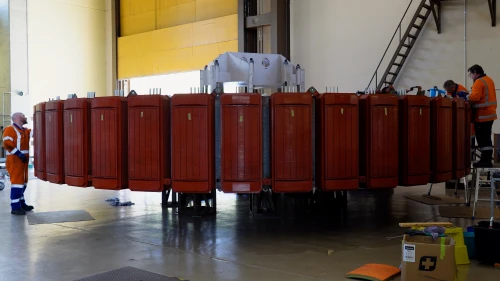
It sounds straightforward, but it’s anything but simple. “It takes a lot of involvement from engineering, mechanical fitters, electrical fitters, power techs, operators and facilities team,” she says. “Planning and scheduling around resourcing on how the programme’s going to work out, getting the contractors on board, working with deferred outages—and the unforeseen challenges along the way.”
And then comes the hard part. “When the work begins and we start disassembling the unit and we find things aren’t quite as we expected, we have to manage those changes and commit to returning those ‘findings’ back to right.”
This isn’t the first time the unit has been realigned. “It was previously completed in 2002 and 2012,” says Jocelyn. “Since construction the station has been settling and tilting slightly, causing alignment issues.” If the work wasn’t done? “If the misalignment continues then there could be increased bearing wear, unit trips and unforced outages.”
For Christchurch-based Jocelyn, the project is a chance to see the results of months of planning. “I guess it’s the reward of the work you do at the desk,” she says. “Managing the changes that happen, figuring out solutions—it feels pretty scary at times, but you grow from the learnings of the issues that crop up, and you really value a great team around you on site.”
The job is expected to take about three months, and when it’s completed in early 2026, the benefits will ripple far beyond Twizel.
“If we deferred this work further, it could cause more issues that could result in an unplanned outage of up to eight weeks. By keeping on top of the station’s maintenance we can ensure reliable renewable energy for homes and businesses across New Zealand—a win for the country’s energy future.”