Benefits to having a battery installed in your solar power system

Is storing solar energy in a battery system worth it for your home? It depends, and we explain why.

When you get an assessment on your home or business for solar energy, one of the questions you might get is whether you want to store energy or use it straight away. This is because solar panels can be configured to simply power the home as energy is generated, or store any excess energy in a large battery that can be drawn from when needed. As you might expect, there’s a cost involved with having a battery, but it’s worth considering whether that’ll be offset by the long-term savings of having that solar energy available for later.

In this guide we explore the solar system battery a bit more and why you might consider including this in your installation. 

What does a battery in a solar set up do? 

The battery component of a solar panel system is a game changer. While there’s nothing wrong with a standard panel and inverter set up - where energy generated is immediately used for the home - a battery allows you to store electricity up to a certain capacity which can then take more advantage of your panels’ generating capability. This energy can then be spread out over the day and night. 

The cost of a battery is significant and will increase your upfront costs. But remember, with a battery, you can capture more usable energy. And this potentially could deliver more savings - depending on how you use the battery.

Do I need a battery? 

No, you don’t need a battery to get many of the benefits of solar energy. For businesses or homes that have high energy demands during daylight hours, solar can help reduce those costs without a battery. Even if you don’t have high energy demands, having solar installed without a battery can help power the fridge, ventilation and other always-on appliances. And with our Solar Plan, you can sell your excess solar back into the grid with our competitive buy back rate. The biggest upside of a no-battery system is the much cheaper upfront cost. 
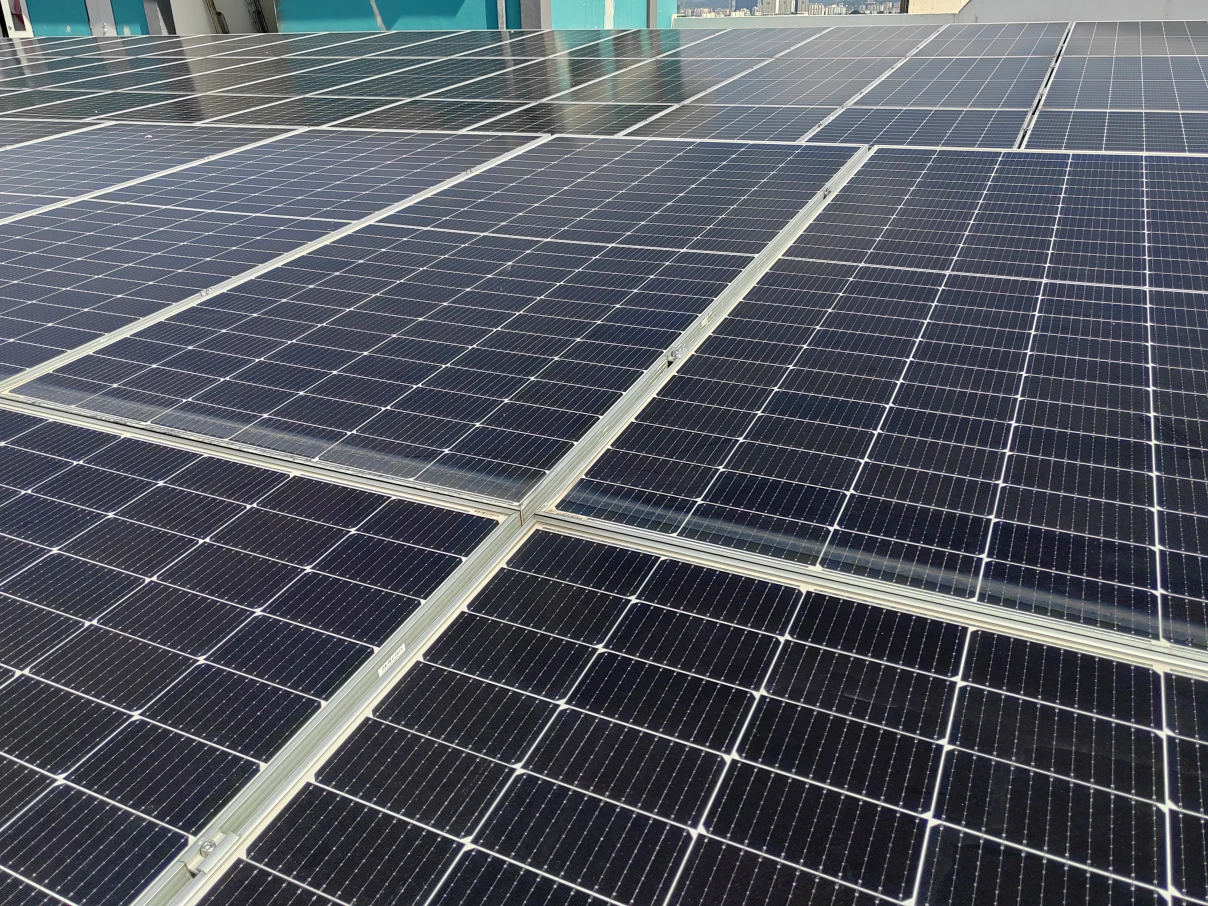
Close up of solar panels arrayed on a roof.

Load shifting and when you use your solar

With a battery installed, you have more options with how you use your solar energy. This includes the ability to use solar energy during peak periods of the day such as morning and evening. Configuring this with your solar power system can increase your overall savings.

If you don’t have a battery in your system, you can still do a version of load shifting, by moving energy-hungry appliances, such as a dryer, to daylight hours only so solar contributes towards these and brings your overall costs down. This can be a good choice for anyone working from home.

Smoothing the fluctuations

A battery isn’t just for storing energy for use at nighttime. As the sunlight changes throughout the day (disappearing behind clouds), the panels’ generation of electricity will go up or down. A battery storing this electricity will ‘smooth’ out these fluctuations, so the home receives a steadier flow of solar energy. If you’re looking to use solar as much as possible with stability, this is a helpful aspect of a battery-configured solar system. 

Reducing your power bill

While the cost of the battery must come into your long-term ‘payback period’ calculation, the amount you pay to your power company could reduce with solar power available at more times of the day and night. Given you’re actually storing the electricity your panels are producing, your home may not need to revert to the grid nearly as much.

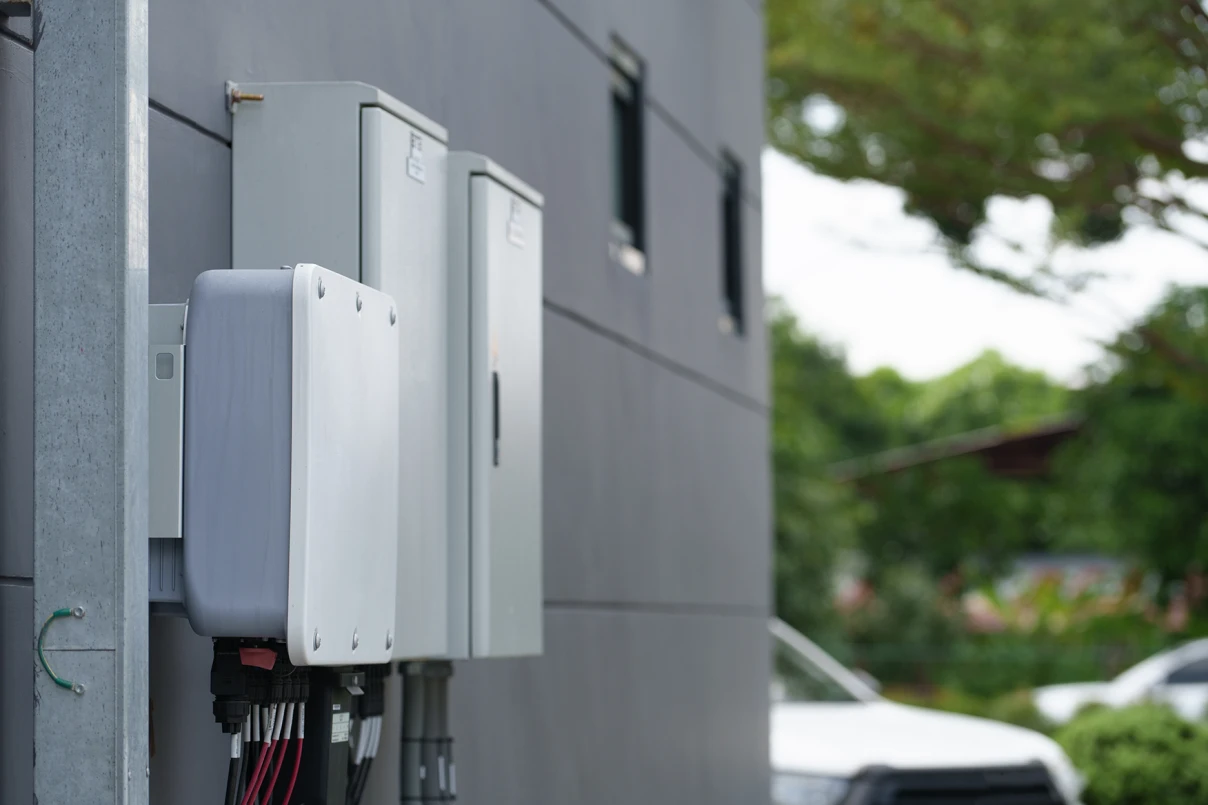
Solar battery and cabinets mounted to the outside wall of a house.

Creating a backup option during power outages 

It’s not all about cost. For many, solar energy gives peace of mind that in the event of a power cut, there’s still a way to get electricity. Solar panels with a battery installed take this a step further, with the possibility of electricity on hand during the night, early morning or in poor weather. It’s not necessarily suitable as your only back up plan, especially if there's someone in the home that requires electricity for medical reasons. A battery is just a great bonus if you need to charge a phone, join a video meeting or cook a meal while line maintenance is carried out. 

Reducing reliance on the grid 

While keeping the supply of electricity continuous through power cuts is a big pro for some, for others a battery means less dependence on grid-supplied energy. Being more self-sufficient from solar energy is a compelling feature for businesses and homeowners alike. 

It’s a good sustainability story, too - while Meridian proudly generates 100% renewable energy only, New Zealand as a whole makes up its power from around 85% renewable energy and 15% from non-renewable sources.

Without a battery in place, going ‘off grid’ with solar panels can only really be a daytime activity. And if you’re looking for the ultimate sustainable energy combo by pairing solar panels with an electric vehicle, a battery allows you to charge overnight with solar energy (as well as any grid power to make up the difference). 

Ariel shot of New Zealand hills and ocean with wind turbines scattered in the land.

Considering the additional upfront cost against your returns 

Batteries can cost in excess of $10,000. Models and capacities vary, but no matter what option you choose, it’s going to make your solar power system up front considerably more expensive to install. Talk with your solar power installation provider to get help calculating the projected annual savings on your power with the suggested solution. 

What to look for in a battery for your solar energy

Battery technology is continually improving. Depending on the model of battery, you’ll have a number of features available to you. Here’s some key things to keep an eye out for when exploring your options:


  • Capacity - a big factor into the price is how large the battery is. It’s important to choose a battery that is appropriate for your home or business. A good assessor should help you decide this.  

  • Depth of Discharge (DoD) - this metric relates to how much of the battery’s capacity can be used before it needs to be recharged. A better DoD means the battery can offer more electricity without significantly impacting the lifespan of the battery.

  • Power output or kW rating - each battery should have listed specifications around continuous and peak power output which help to demonstrate how many appliances can be charged at once, or the highest output for surges (like starting an appliance).

  • Smart features and app control - managing and monitoring your battery with an app is really useful to plan and optimise your solar power usage. They can also deliver ‘over the air updates’. The Tesla Powerwall is an example of this.

  • Safety - you’ll want to check the protection aspects of the battery including thermal management features to prevent overheating.

  • Warranty - when you’re spending over $10,000 on a battery, you should expect a good warranty to give you peace of mind for years to come. These warranties vary in length, so check the details! 

These are just some of the things to think about when considering batteries. Always chat to your installation provider who can offer tailored solutions based on your home (or business) and your demand for power.

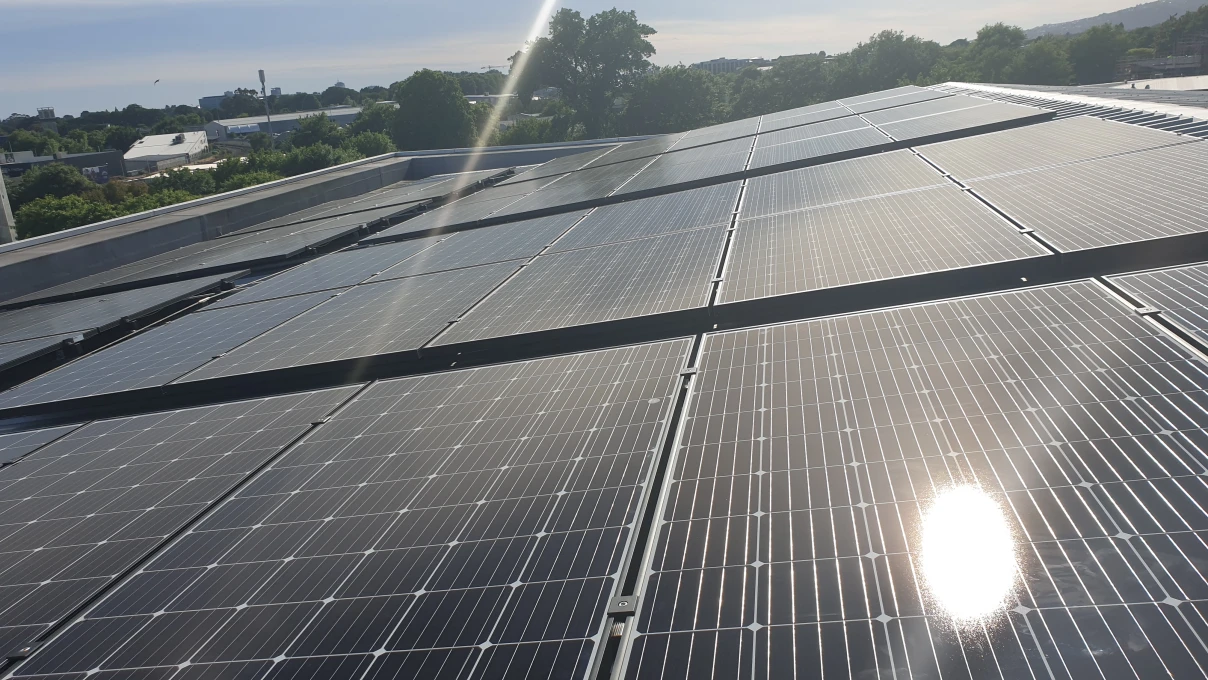
Close up of solar panels mounted to a roof.

Have solar power installed? Explore our Solar Plan for Home