Getting solar installed - the typical process

From start to finish, we give you the rundown on solar installation at your home.

Getting solar installed is an exciting process, but it’s worth taking your time to understand exactly what’s involved. From finding a good installation provider, knowing what to look for in panels, and making sure your home is adequately prepared for panels, there’s a bit to know. 

That’s why we’ve prepared this useful guide to the installation process. Each provider may have their own ways of doing things, but largely you can expect the experience to follow some key steps. Read on to learn about what you can do to make installation as smooth as possible. 

Working out your needs from solar energy 

Before you get in touch with solar installation companies, we’d suggest doing your own research and thinking around exactly why you want to get solar. Is it to save money long term? Energy independence? Perhaps your main motivator is to live as sustainably as possible. Or self-sufficiency at times of the day. Often it’s a mix of these things. When you do some thinking on your reasons behind getting solar, you’ll find it easier to give the solar provider a clearer picture of what you need. They’ll likely ask a number of questions as part of their process, but doing your homework will only help.

Remember, your potential solar generation will depend on things like your home’s roof space, surrounding trees, and latitude.

The best return on investment from solar panels is maximising your consumption from the generation on your roof during the hours they're producing energy.

Consider the following:

  • Is an electric vehicle or other purchase with high electricity demands such as a spa pool on your shopping list in the future?

  • If you have an EV, what time of day might you charge it?

  • Can you load shift your electricity consumption like running your dishwasher, washing machine, and clothes dryer during the day?

  • Do you want to pre-heat your rooms before the sun goes down?


This information will help your installer to understand the capacity you need to meet your demand and suitably size your solar system. What do your solar goals look like?
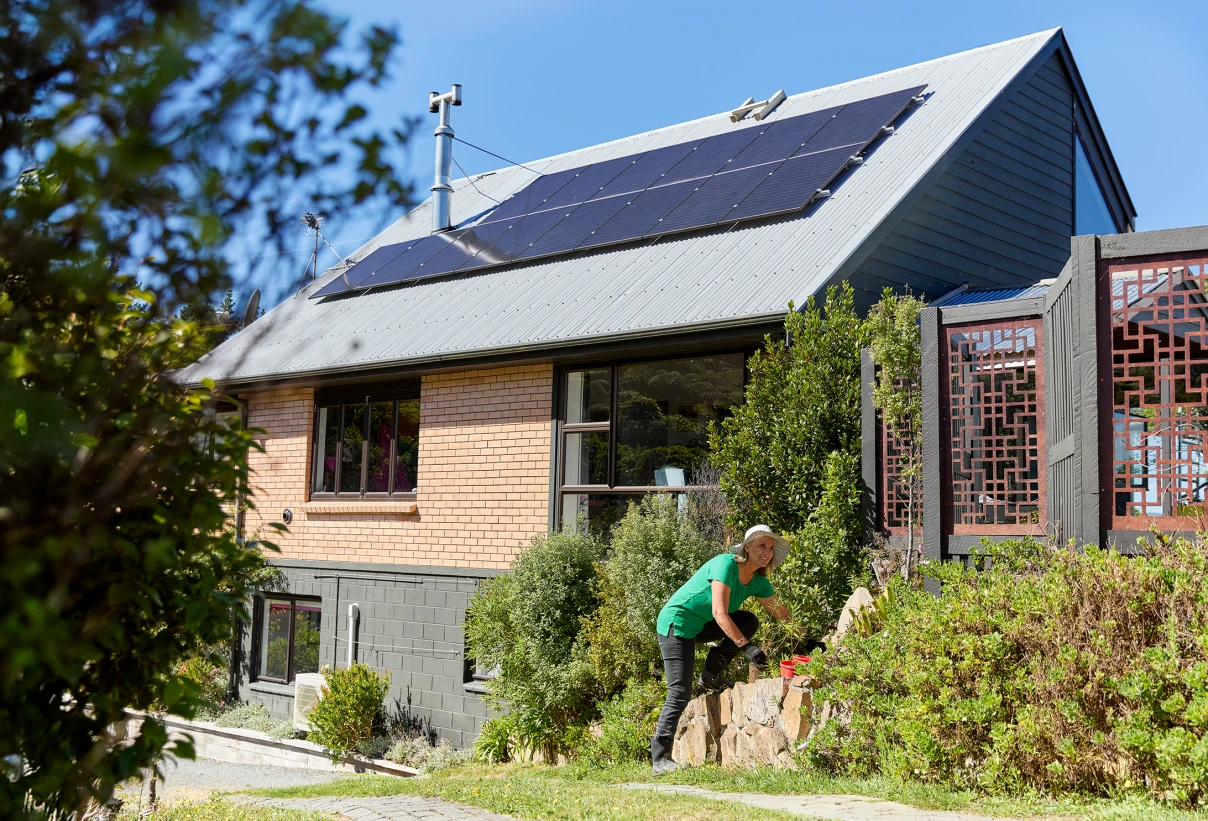
Residential house with solar panels on roof and a woman gardening.

Searching for a reputable installation partner 

If you’re researching solar energy as a potential option for your home, you’ll discover that the installation provider is a big part of the puzzle. Their job is not only to supply, then set up the panels and other components, but also to provide an assessment of your home to determine the best possible solution for your needs.

New Zealand’s market for solar providers is growing as the demand increases. You should be able to find a few options no matter where you’re based.  For the larger providers, travel to more remote locations shouldn’t be an issue. 

Here some things to look out for when doing your search for a solar energy provider:

Experience

While solar is just starting to become more common, solar companies have been operating in the country for some time. Aim to go with a business that’s got a long track record.

Awards and certifications

It’s always good to check for any information around the business’ third-party recognition in the market - this could be consumer awards or even detail around the qualification of their team (e.g. registered electricians).

Equipment used 

Each provider will have a range of panels, inverters, batteries and other components they use to set you up with solar. Do some homework on these - ask if it’s not immediately obvious on their website. You may want to check online for reviews of these before going ahead. 

Warranty offers

Solar is a serious investment, so it’s only right to check for guarantees around the labour and equipment. Knowing your solar panel setup is going to last the distance with peace of mind is well worth the research. 

Customer care 

To make sure you're confident in your selection of an installer, it may be worth talking to multiple installers before committing in any one direction. If their products are similar, then pay close attention to the quality of the customer service you get - on the phone, via email and in person during the initial assessment. This can be an indicator of what it could be like to deal with them on a support and maintenance basis.  

A clear process

While we’re breaking down the general process here, each solar company may have particular ways of doing things. Some providers have their step-by-step process on their website. If not, ask for this information.

Pricing and finance

A number of banks offer special loans around solar energy so look into these first. You can also find out from each company on your shortlist what finance option they offer as well. Then you can compare the price ranges advertised as a starting point.

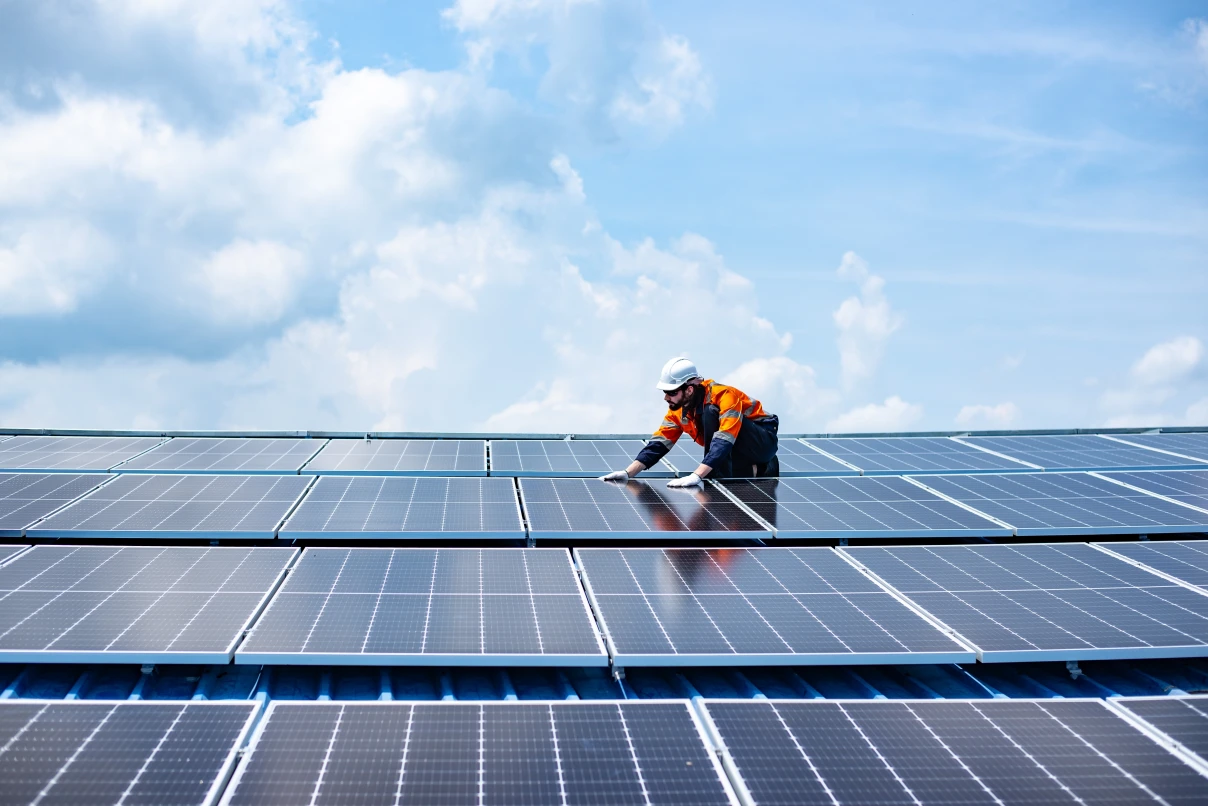
A worker wearing hi-vis is installing solar panels on a large roof.

A worker wearing hi-vis is installing solar panels on a large roof.

The initial site or home assessment  

After contacting a solar installation company and chatting via phone or email you will either get an indicative quote or arrange the first visit to your property. Be ready for questions about your consumption, heating sources and roof orientation.

In person, the home visit will usually start with a sit down chat with one of the company’s experts. They’ll ask a number of questions to get a better understanding of your energy usage, patterns and goals (that’s where doing your homework comes in). It’s quite helpful to show the representative some recent electricity bills, or even your usage data in your online account.

Once you’ve had a chat, the company may offer an indicative quote. If you accept what usually comes next is an inspection of the site. This is to really determine how suitable your home or business is for solar power. Some of the things they’ll look for include:

  • Roof condition, noting any repairs that would be required prior to installation.

  • The roof’s expected lifespan, given solar panels are usually good for 20-30 years.

  • The home’s structural capacity to ensure it can support the weight of panels and equipment.

  • Orientation of roofing including the pitch.

  • Total available space for panels, particularly north-facing parts of the home.

  • Shade around the property that could impact performance - e.g. trees or other homes/buildings.

  • Reviewing your wiring/electrical system to ensure it can support a solar power installation. 

  • Identify any required maintenance or replacement of the switchboard.

  • Asking if the export meter can be installed prior to the solar system being installed - this will provide you with more certainty with timeframes.

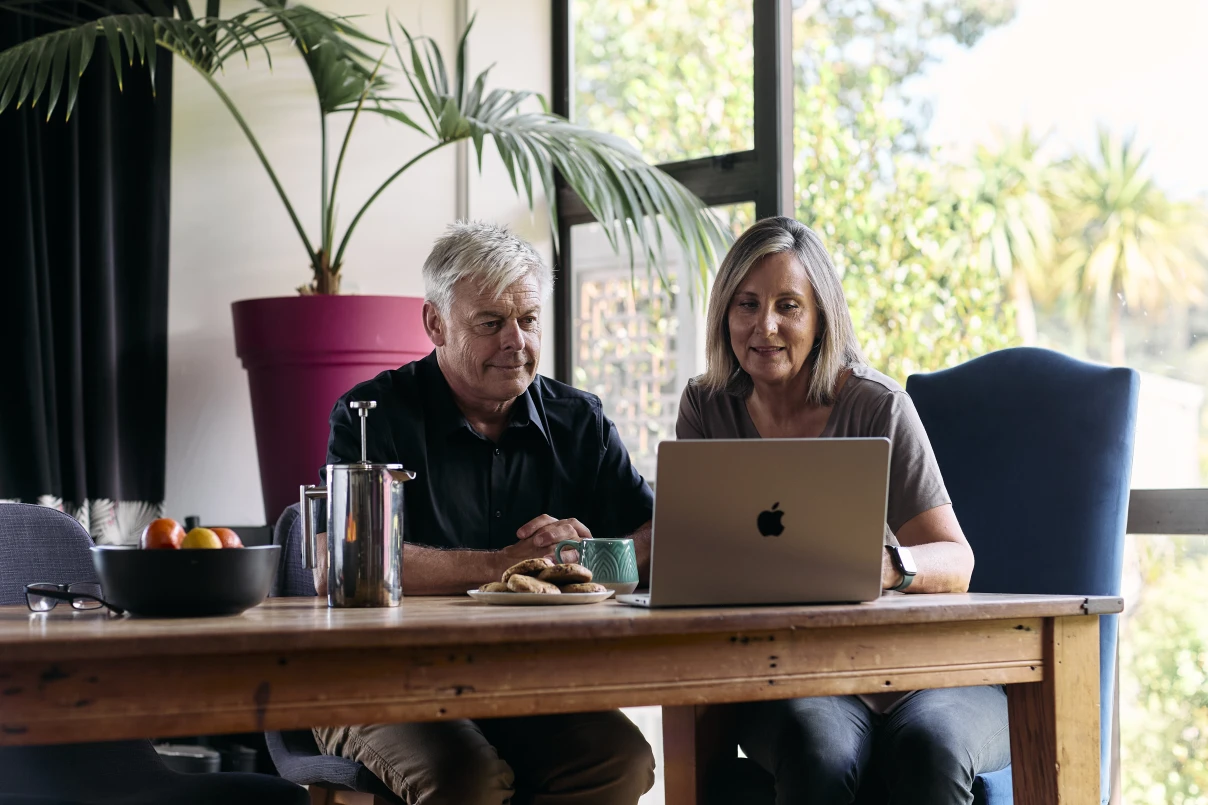
Home assessment, a man and woman sit at a dining table looking at a laptop together.

Designing a solar power system 

Once the solar power company has completed the site assessment, they’re able to work on a proposed layout of panels and map out the entire system. Depending on your home, they may provide a number of options at different price points for you to consider. Part of designing the solar power system is choosing the right components that will meet your requirements from solar, but also work well with your roof and home. Make sure to chat to each company about their expected time between assessment and providing a quote. 

Your home will also determine the level of preparatory work, maintenance and installation time required. For example, if you require roofing maintenance to be completed first (which will depend on the age and condition of your home’s roof). 

The design you get back from the company could also offer options with or without a battery. This has an impact on the price (but also how much usable solar energy you’ll be able to use) and the payback period.

If you're including a battery the solar system will likely need to be larger to accommodate charging the batteries during the day, which means you may require larger roof-space capacity too.

Estimating the payback period 

The payback period is a common term throughout the solar industry and is used to estimate the time it will take to recoup the cost of the system as savings against your power bill. 

Once the solar provider has conducted the assessment and designed a proposed system for you, this will come with payback period estimate information. This is a key stage of the solar buying process, as it can determine for many whether it’s worthwhile or not. The payback period is generally a number of years, so often price-motivated homeowners will make the call based on whether they’re going to stay in their home long term. 

The payback period estimate can be impacted by things like location, roof size, energy usage and the size of the installation. Having a battery installed can also play a role in this too. It’s a big additional cost, but has many benefits, like potential for 24-hour access to solar energy generated during the day, continuity through power cuts and deferring the use of solar to peak usage periods. 

Getting a quote for your solar installation and equipment 

A tailored quote for your home is essential to properly compare different companies. We’d suggest getting at least 2-3 of these quotes before making a call, if you have the time. Within the quote, you should find details of the system - equipment models, number of panels, inverter type and brand and battery information if applicable. If you haven’t already been provided with warranty information, the quote may include this as well (ask if it hasn't been). 

Itemising the quote should also help you see any additional requirements around roof repair, electrical work and of course the installation cost. Don’t immediately take the cheapest installation cost - you want to make the decision based on many factors with something that you’ll be relying on for power for many years to come.. 

Once you’ve decided on a quote to proceed with, you should get an expected installation date. The solar company may provide you with timelines if there’s a few stages - such as for maintenance prior to installation. 

Installing panels 

The installation on a typical New Zealand home will be completed reasonably quickly in most circumstances - providing no unforeseen issues pop up. For larger or more complex installations, your solar company might be on site for a few days. Check if the team will do a clean of the roof to remove any debris that could get caught under the panels later. A scaffold is often stood up, and special equipment is brought in to safely elevate the panels to roof height to be carefully laid out. 

The mounting rails and feet are typically the first components to be installed, measured precisely to the design specifications. This stage will involve careful attention to a secure attachment - ready for heavy panels and whatever weather conditions they might face for the years to come. The panels will then be attached to the mounting rack system. It’s worth noting that the process may vary depending on the provider, so make sure to talk with them first.

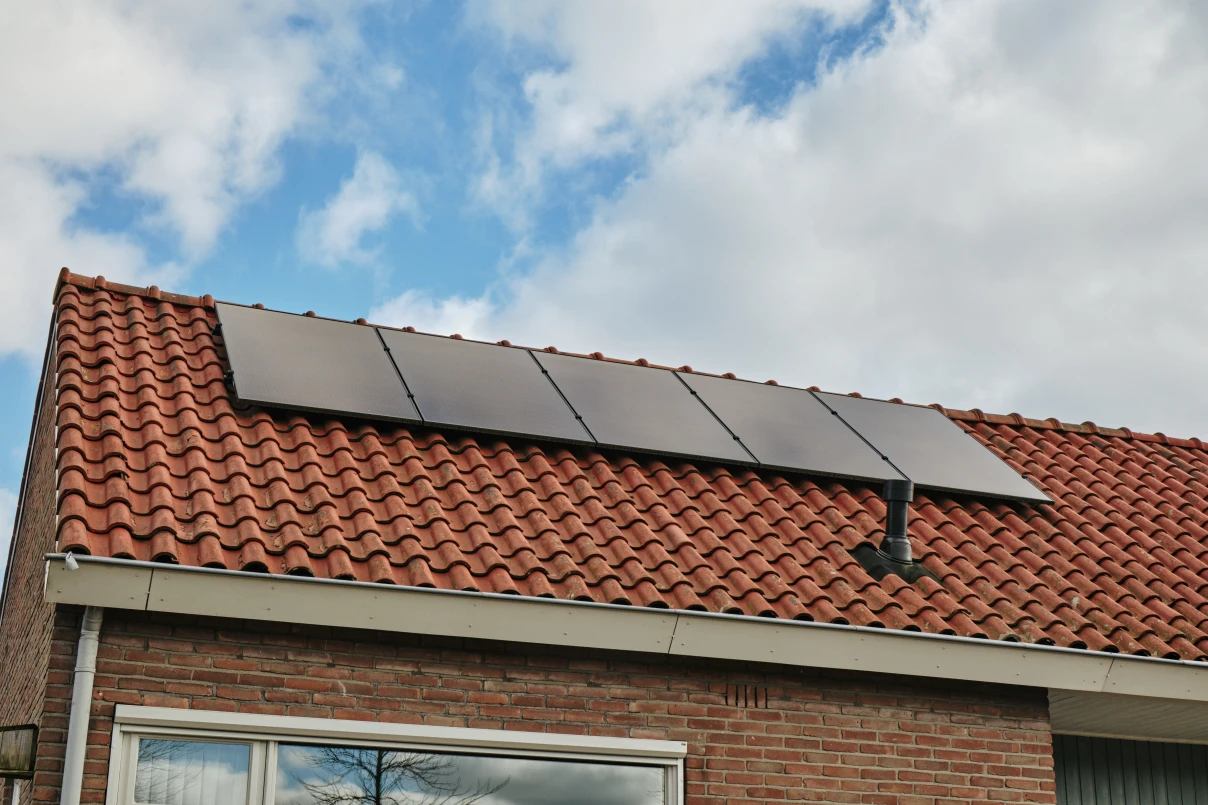
Residential home with solar panels on roof.

Connection with inverter and mains supply

This will often happen in tandem with the routing of electrical wiring from the back of the panels into the solar inverter. The inverter is the unit that converts the initial DC energy into usable AC power for the home or workplace. The inverter runs into the mains power.  All connections are checked carefully before anything is switched on. Solar companies’ onsite teams must include experienced electricians. 

Then, if your system includes a battery for storage, this will be integrated into the system. Usually the battery is installed somewhere out of the way of direct sunlight, but accessible if needed for diagnostics or maintenance. 

Getting hooked up to the grid for buy-back

You have the opportunity to ‘sell’ your solar back into the national grid. Power companies like Meridian offer a buy-back rate, where you’ll get credit against your power bill for the energy you supply. This is usually calculated as cents per kilowatt hour. 

Getting the solar power system connected to the grid requires an import/export meter - this is typically handled by the company installing the rest of your setup. These meters provide readings on the energy you consume and energy you export. They’re mandatory for grid-tied distributed generation.

Set up with an app

Modern solar installations will commonly be full of the latest and greatest technology - including a companion app. If available your solar installation company will configure this on your devices for you and walk you through the features. These apps are useful for understanding how much energy you’ve generated from the sun, how it’s being used and any diagnostic information.  

Checks and maintenance 

Once the system is installed, and your home is making power while the sun shines, the solar power installation provider will usually be able to provide ongoing maintenance and checks throughout the lifespan of your system. It’s important to keep the panels in good condition without building up lots of debris like leaves and dirt, so routine checks and cleans are a good idea. 

Are you getting solar power installed on your home? Learn more about Meridian's solar plan.