Is Solar Power Worth It? Estimating your return on investment

There are many factors to consider if you’re planning to install a solar power system in your home. But, like all important decisions in life, the first step often comes down to the dollars.

Solar power is promoted as a financially rewarding and environmentally responsible home energy solution. Calculating to find out if it’s a valid option can feel challenging but it’s actually very simple. In essence, the return on investment (ROI) is determined by dividing the total savings your system generates over its lifespan by the cost of the initial investment. Online tools like the EECA buy back calculator can help you estimate as accurately as possible the rate of return on your investment or lifetime value. 

Why consider the payback/return on solar?

Solar power isn’t as straightforward as saving money on grid-supplied power. The cost of installation and maintenance along with the equipment itself all should come into the equation. Moving house before the payback period will mean you personally don’t get the return. Don’t expect necessarily to recoup the cost of your solar investment in the sale price of your home.

Finding a good deal for installation  

As solar power systems increase in popularity in New Zealand and technological development improves, companies can now offer very competitive installation deals.

It’s a good idea to seek out several quotes from local installation companies to compare. The goal is to ensure that the system you are getting is fit for purpose, gives you the best rate of return, and will start paying for itself in the shortest timeframe. 

Be sure to follow up on references a solar installation company provides. Experience and reputation are key so scan Google reviews, pose questions on community social media. You can even talk to neighbours who have had solar installed and ask them about their experiences or simply ask for previous customer testimonials.
Variables in your setup and their impact on ROI 

New Zealand’s housing mix is incredibly varied, with urban areas made up of standalone homes, townhouses and apartment buildings of all ages, sizes and layouts. This means that the cost and benefit of installing a solar power system is going to be specific to the nature of your home and your power consumption habits. The variables to factor in when considering a setup include:

  • Your home’s solar irradiance level.

  • The roof type, orientation, pitch and condition.

  • The size and capacity appropriate for your roof.

  • Household energy consumption and time of consumption.

  • Is electricity the fuel source for heating and cooking?

Battery storing power for nighttime usage 

Deciding to install a system with a battery for storage of excess power can be a game changer. You can opt to use solar power without having battery storage because any excess power you produce is directed back into the grid . However, during outages and shutdowns, you’re in the same boat as other grid-connected customers so having a battery to store your excess for night-time use can be beneficial.

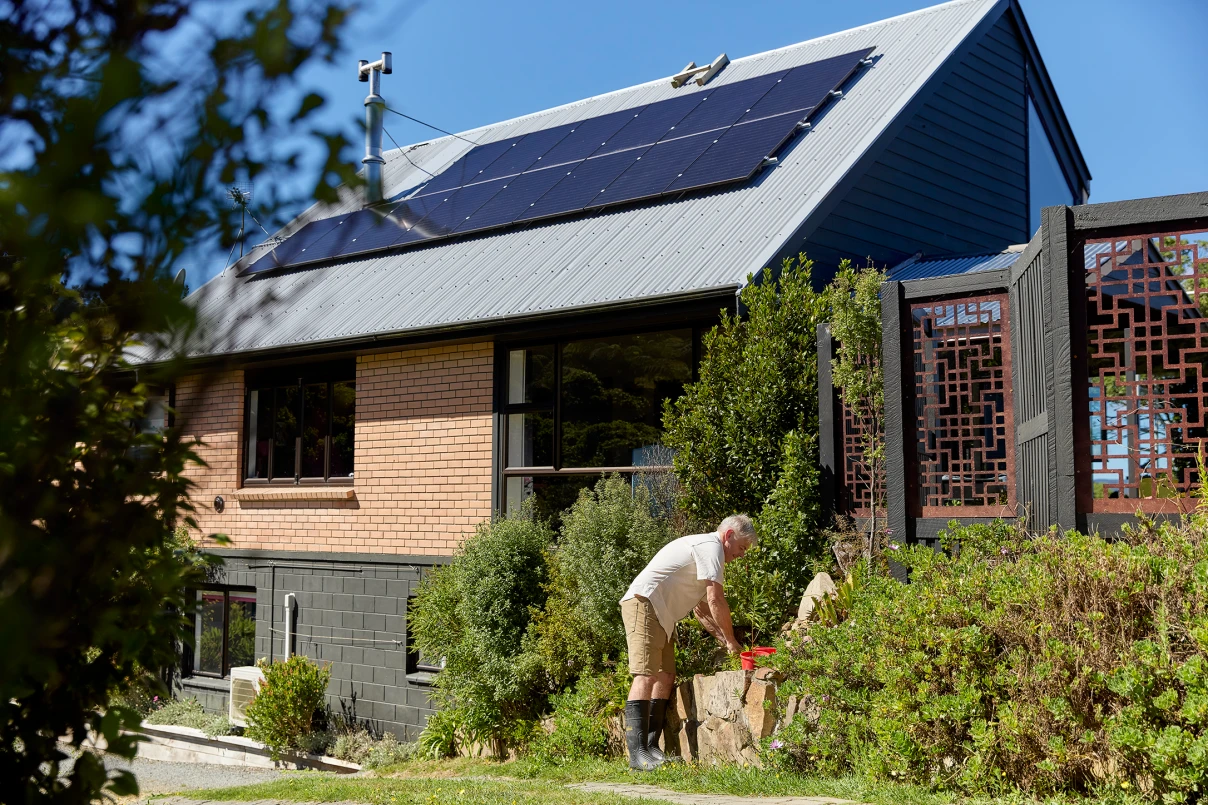
A man is gardening in front of his home, the roof is covered in solar panels.

Reducing your power bill through buy-back plans 

The savings to your pocket of a buy-back plan for the excess power your solar system produces is the gift that keeps on giving! Rates have gone up in recent years with buy-back prices ranging from 7 – 17 cents per kWh in a competitive market at the time of writing. But how do you compare all the plans that are out there? There’s huge satisfaction in being rewarded financially for the solar power you’ve generated and not used – the proof will appear on your monthly power bill. 

More cost-effective solar options reducing the ROI period 

To lessen the time it takes for your solar system to pay for itself there are other factors that will certainly have an impact. Choosing the most appropriately size system will dictate the amount of electricity generated, and result in better cost savings. The number of panels (there are a variety of types and prices) and their maintenance costs need to be factored in along with warranties and service agreements. Energy consumption and the way you structure your daily usage will impact the ROI calculations too.   

Your energy habits and how they impact what you get from solar 

Grab a couple of recent power bills and look over the graphs showing your usage patterns and how your home is metered. This is the best way to get a clear picture of when you use the most energy and how that lines up with daylight hours. 

If you use the Meridian app, you can also check your peak times and see how your habits compare across the week. Small changes in when you run appliances, heat water or use lighting can make a noticeable difference to how much of your own solar you consume, helping you get more value from your system.


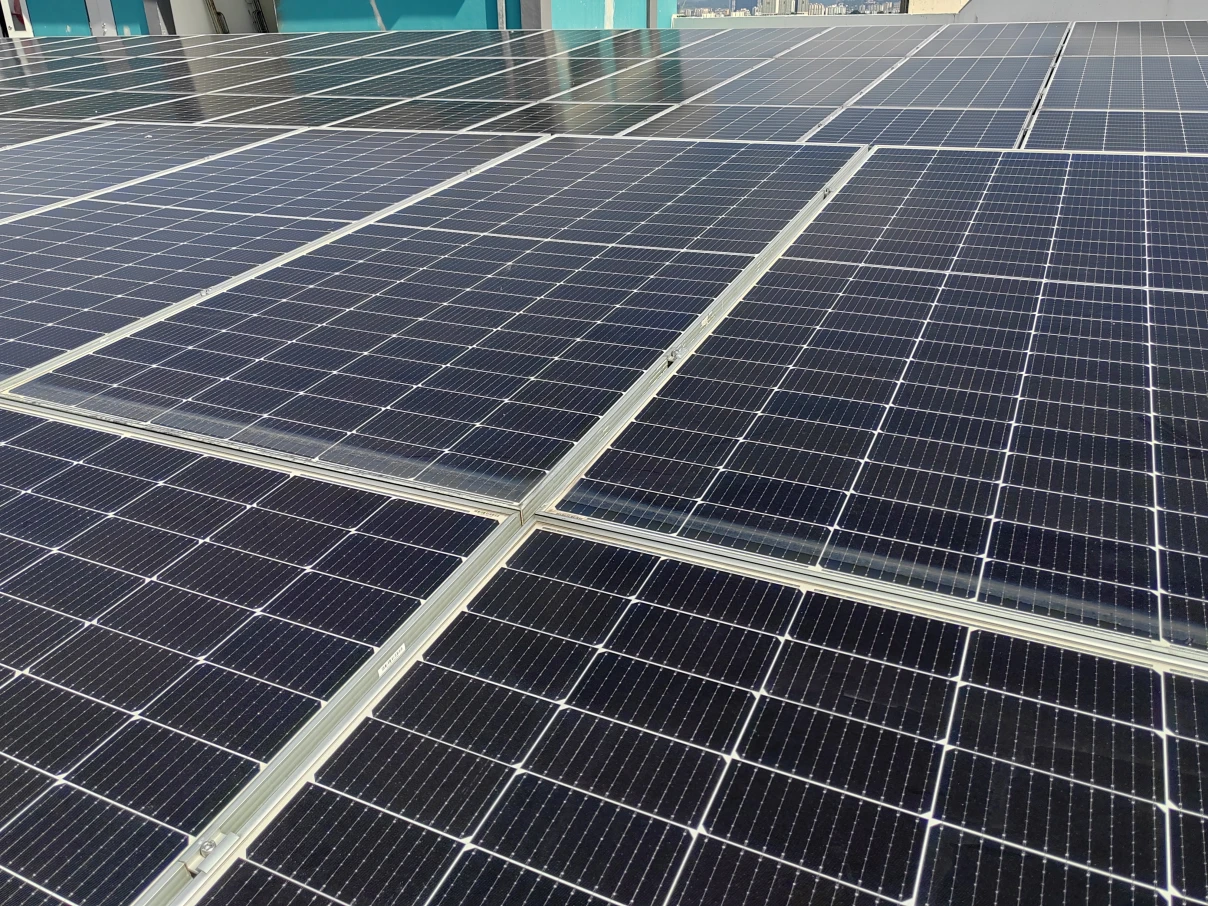
Close up of solar panels mounted to a roof.

The benefits are more than just savings - environmental, off-grid and more 

Once upon a time installing solar power in a residential home was an ethical but expensive undertaking that was more about being environmentally responsible and in some cases, living independent from the grid. As the world turns toward less reliance on fossil fuels like coal, oil, and natural gas, solar power systems have become not just affordable but cost effective. The collective benefits of economics, caring for the environment and living more consciously by harnessing the sun’s rays to power your home makes this a feasible option with a bright future. 

Have solar power installed? Explore our Solar Plan for Home