Is your home’s roof solar-ready?

It’s worth checking that your roof is prepared for installation.


Getting a professional inspection of your roof 

Arranging for an expert to come and inspect your dwelling for solar panel suitability is the first step towards home-grown renewable energy. 

These experienced professionals will not only be able to determine the structural integrity of your roof but will also be aware of any compliance requirements - and how these impact your property.  

Refurbishing or repairing the roof 

There are numerous companies across New Zealand who offer roof repairs to prepare your home for the installation of solar panels. Kiwi home roofs come in a huge range of materials including:

  • Concrete tile 

  • Long Run (Corrugated iron)

  • Decrabond stone chip finish

  • Timber shingles

  • Asphalt tile


Repair and refurbishment will vary according to the condition and materials used to roof your home. That’s why you’ll want to have a roofing expert assess the necessary maintenance before the first panel is laid. This work should always be done ahead of time - otherwise the effort of addressing a problem after your solar power system is installed can be complex and costly.

Defining the areas that can accommodate PV panels

Aim to have as many PV solar panels as you can fit and afford. Kiwi homes come in all shapes and sizes – with variations in roof area making some more suitable than others. 

The priority is to place panels where they will absorb as much sunlight from the favoured north-facing orientation, but panels placed facing west and east can still add to overall solar absorption. 

PV panels may also need to be tilted to achieve the right angle for optimising the sun’s rays, so your roof size and layout will dictate the number of panels you can install. An online calculator can be handy to determine the electricity generation your photovoltaic panels will generate. This can then help to estimate what your system is going to deliver for you in terms of energy demands and savings.
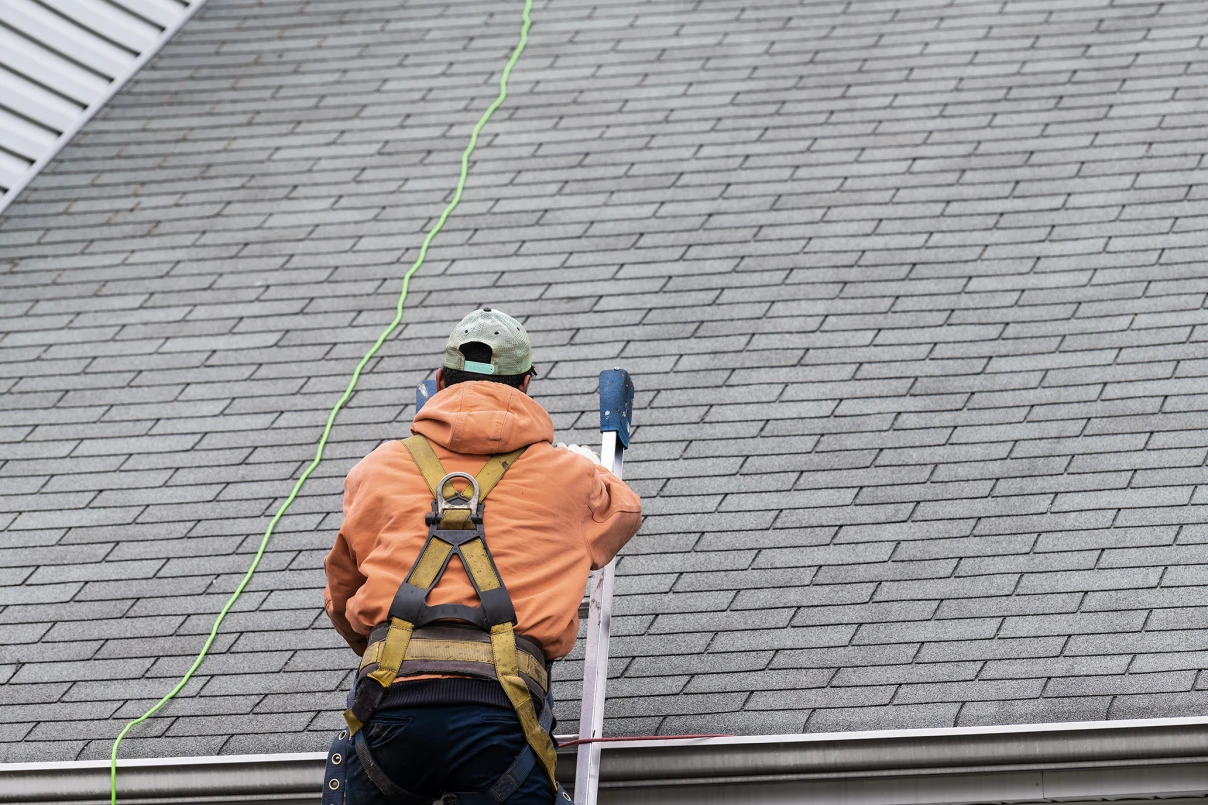
A man in a safety harness is climbing a ladder up to a roof.

Assessing shady areas 

While assessing your roof, it may be possible to reduce the shaded areas by cutting back trees and foliage to beneficially increase the sunlight exposure to that part of the dwelling. Assessing shady areas on your roof can be done in consultation with your solar installer to work out how they can be incorporated in your overall roof plan.

Timing your solar installation with roof replacement 

If your roof is reaching a point where it’s ready to be replaced then the time may be right to align the replacement with the installation of your solar PV panels. 

When you get roofing experts to quote, discuss with them your plans to install PV panels as this may have a direct impact on what they recommend.

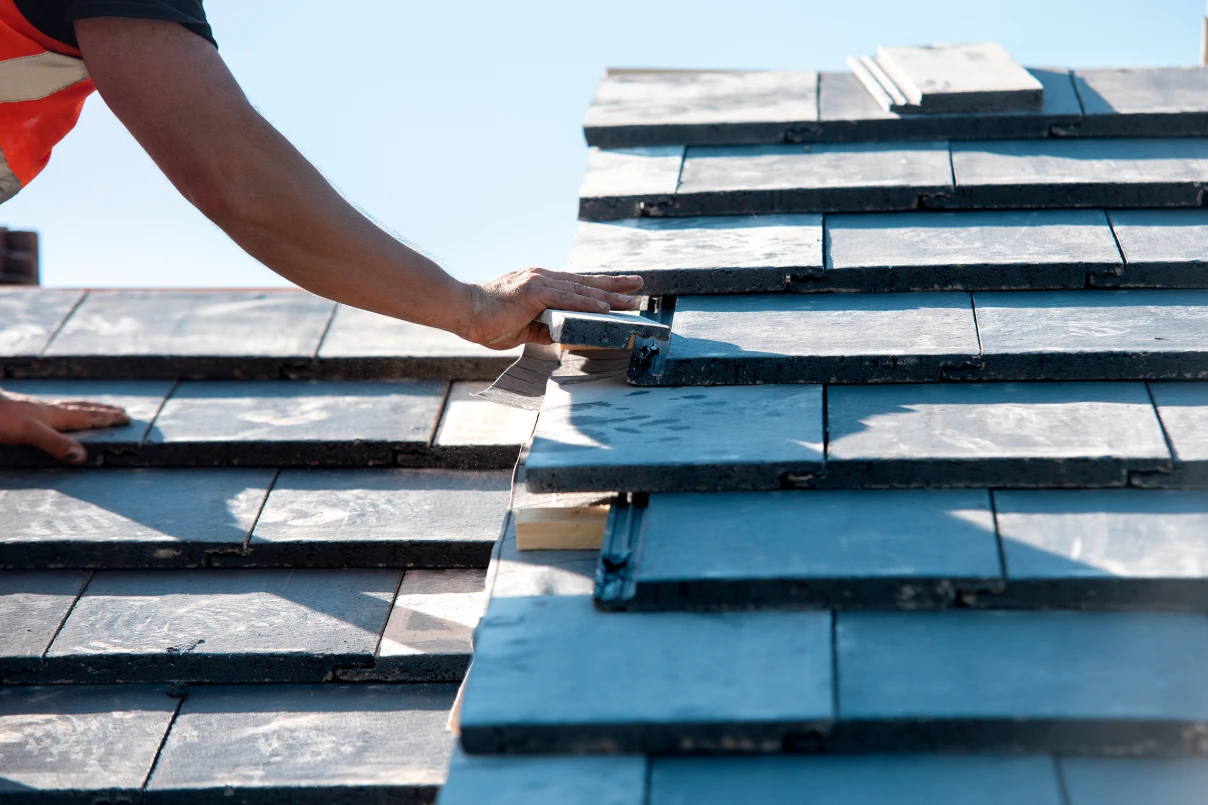
Close up of a mans hand as he places roof tiles.

Mounting and weight capacity

Solar panels vary in size for dimensions and weight

Usually the more cells, the heavier the panel. Taking the weight and size (typically 1m x 1.6 to 2m in length) into consideration and multiplying that by the number of panels in your system could mean that your roof is going to be supporting a substantial weight. Panels will need to be securely attached with your installer recommending the type of mounting you’ll need to ensure safety and longevity of the equipment.      

DIY-ing solar installation is risky 

Kiwis have had a longstanding love affair with home DIY, but installing your own residential solar isn’t recommended. Electrical shock risks, working at heights and incorrect installation procedures are just a few reasons you must leave this process to the experts. 

Registered electrician

Only a registered electrician can legally wire your system into the household switchboard and sign it off as compliant. 

Building consent

You should check whether the installation requires building consent with your local council (especially if your property is heritage listed). Or ask an experienced professional solar installer or electrician who may be better placed to ensure a smooth process. 


Where to get started with a roof assessment 

From the start you need to get your roof assessed by the experts - a building inspection company is a good independent party to this process.

  • How long have they been in the business? 

  • Have they got formal industry affiliations? 

  • What do their customer testimonials say? 

Have solar power installed? Explore our Solar Plan for Home