By Mike Roan, Chief Executive, Meridian Energy
This article was originally published in The Post on 8 April 2026.
The state of New Zealand’s electricity system is regularly debated. It happened in the ‘60s, ‘70s, ‘90s, in the early 2000’s, and it’s still happening now. Power matters to households, businesses and communities, and when prices rise, or when the supply of electricity feels uncertain, people rightly want answers.
A recent opinion piece in this paper by Margaret Cooney of Octopus Energy raised concerns about New Zealand’s reliance on overseas fuel, the resilience of the system, and whether it’s delivering what Kiwis need and expect.
These are important questions, and they deserve a thoughtful response.
There’s more agreement than disagreement from us. New Zealand does need – and has, by global standards – a secure, affordable, low emissions electricity system. And we need a system that works for and with customers, not against them.
Where perspectives differ is on what’s driving the pressures we’re experiencing, what will make the biggest difference over time, and what’s already being done.
The most important factor shaping today’s electricity system is the decline of the domestic gas supply. Gas has long played a critical role in supporting hydro generation during dry years and peak demand. As that supply becomes scarcer and less reliable, prices rise – as they have in recent winters – so the system must adapt.
That challenge isn’t ideological, or political - it’s physical.
That’s why Meridian joined other energy companies in supporting measures to maintain firming generation capacity (i.e. reliable, flexible generation) at Huntly through securing three thermal units and a stockpile of fuel for the next decade.
That deal wasn’t the result of political pressure – it was the electricity industry seeing the demise of gas and demonstrating our ability to work together to find a solution in the country’s best interests.
There’s a place for more insurance on top of the Huntly deal, which is where other measures currently being taken by Government and the industry come in.
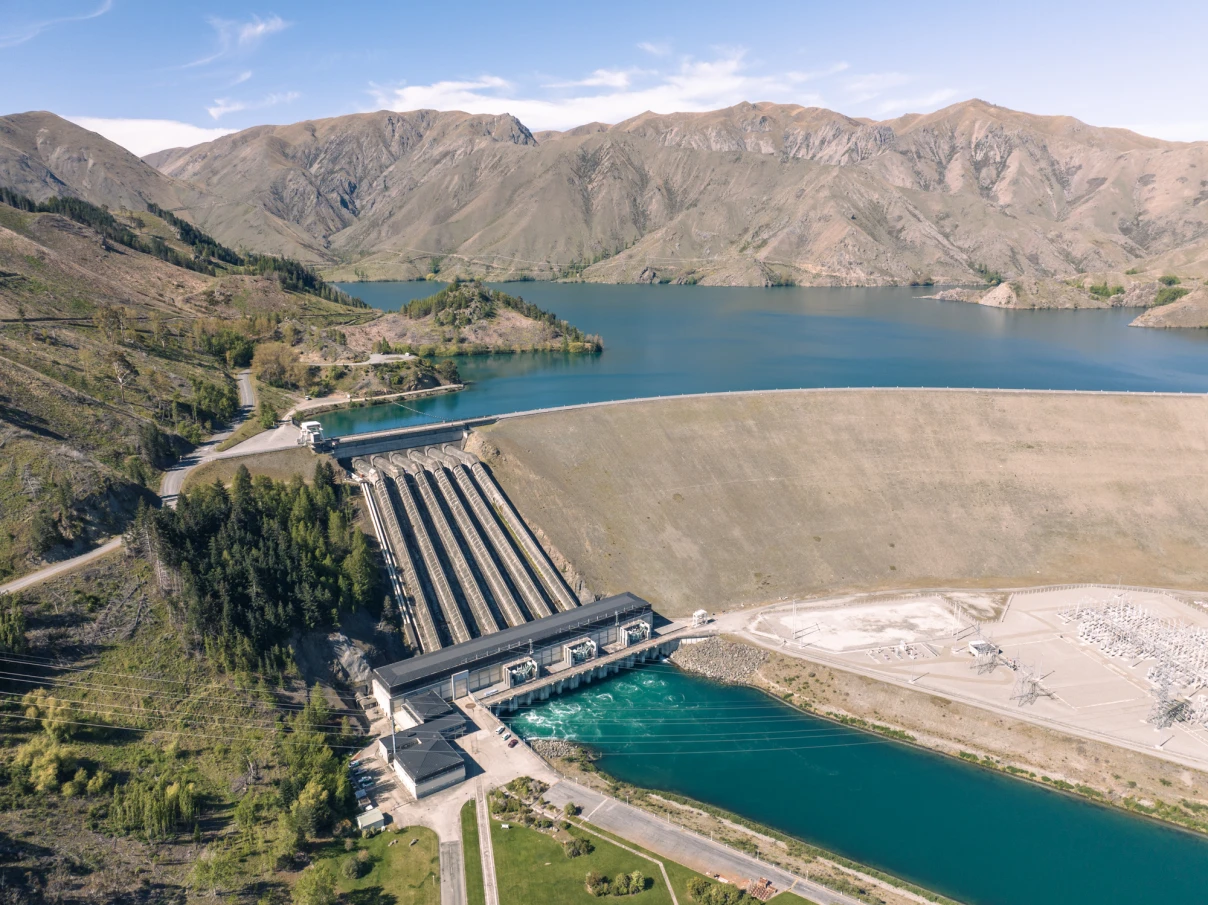
But Meridian’s view is that for a country with New Zealand’s natural advantages, our most effective long-term option to mitigate price increases is more hydro storage. That’s why Meridian is looking at how we can increase storage and asking for better access to what’s already available.
More hydro storage and greater flexibility over how it is managed will significantly reduce the energy price impact of dry years. It will also limit the future need for coal or gas, which will put more downward pressure on prices because those fuels are more expensive.